Cart
0
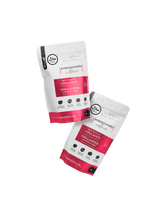
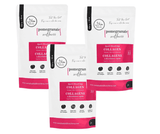


Table of Contents
- Are Collagen Supplements Safe? A Balanced Look at Side Effects
- Collagen Supplement Digestive Side Effects: What's Normal and What's Not
- Allergic Reactions and Sensitivities to Collagen
- Collagen and Medication Interactions: What You Need to Know
- Heavy Metals, Purity, and Sourcing: Bovine vs. Marine vs. Vegan
- How to Choose High-Quality Collagen and Minimize Risks
- The Bottom Line on Collagen Supplement Side Effects
- Frequently Asked Questions
Heavy Metals, Purity, and Sourcing: Bovine vs. Marine vs. Vegan
- How to Choose High-Quality Collagen and Minimize Risks
- The Bottom Line on Collagen Supplement Side Effects
- Frequently Asked Questions
Last Updated: September 9, 2026
Are Collagen Supplements Safe? A Balanced Look at Side Effects
Collagen supplement side effects are generally mild and uncommon, but understanding them helps you make an informed choice before adding a daily powder to your routine. Most healthy adults tolerate collagen well, yet digestive discomfort, allergic sensitivities, and questions about product purity are the concerns that come up most often. This guide breaks down what the research actually says and how to select a supplement that minimizes risk.
Collagen peptides are one of the better-tolerated supplements on the market. The most frequently reported issues involve the digestive system, typically tied to dosage or product quality rather than the collagen itself. What matters is distinguishing a normal adjustment period from a genuine problem.

Collagen Supplement Digestive Side Effects: What's Normal and What's Not
Digestive complaints are the most commonly reported collagen supplement side effects, but the experience is rarely uniform. Understanding the underlying mechanisms helps you distinguish a normal physiological adjustment from a genuine intolerance that warrants stopping.
Why Collagen Causes Stomach Upset
Collagen peptides are a dense protein source. A single scoop delivers roughly 10 to 12 grams of protein, a significant load for the stomach to process in one sitting. When introduced abruptly, the stomach stretches, gastric emptying slows, and the gut microbiota ferments undigested peptides, causing bloating, fullness, and mild nausea. These are signs your digestive tract is adapting, not an allergic reaction.
A second mechanism involves the amino acid glycine. Collagen is exceptionally rich in glycine, which has a calming effect on the central nervous system but can also relax the lower esophageal sphincter. For individuals prone to acid reflux, this relaxation can trigger heartburn or a sensation of regurgitation shortly after ingestion. If you have a history of GERD, taking collagen with a full meal rather than on an empty stomach can mitigate this effect.
The Adjustment Window: What's Actually Normal
Symptoms typically peak within the first three to five days and subside by the end of the first week. The key variable is dosage. Most practitioners recommend a half-serving (approximately 5 to 6 grams) for the first five to seven days, then increasing to a full serving if no significant discomfort occurs. Splitting the daily dose into two smaller servings also reduces the gastric load.
Watch OutPersistent symptoms beyond ten days are not an adjustment period. If bloating, cramping, or diarrhea continues after a gradual introduction, stop taking the supplement and consult a healthcare provider. Continuing while symptomatic can mask an underlying intolerance to the bovine source or an interaction with an existing digestive condition such as irritable bowel syndrome.
When Digestive Symptoms Signal a Real Problem
There is a meaningful difference between mild bloating and severe gastrointestinal distress. The latter can indicate a hypersensitivity to the collagen source itself. Bovine collagen contains specific proteins that, in rare cases, trigger an immune-mediated response in the gut, leading to cramping, diarrhea, or even vomiting. This is distinct from a true allergy but is equally a reason to discontinue use.
Another overlooked factor is additives. Many commercial collagen powders contain fillers, artificial sweeteners, or flavoring agents far more likely to cause digestive upset than the collagen itself. Sorbitol and maltodextrin, common in flavored powders, cause bloating and diarrhea in sensitive individuals. Switching to a completely unflavored, pure collagen powder helps you determine whether the collagen or the additive is the culprit.

Allergic Reactions and Sensitivities to Collagen
Allergic responses to collagen are rare but real, and they deserve attention because they range from mild skin irritation to more serious systemic reactions. The primary concern is for individuals with a known allergy to the source animal, such as beef or fish. Bovine collagen, which comes from cattle, can trigger an allergic response in someone with a beef allergy, while marine collagen carries a similar risk for those allergic to fish or shellfish.
Cutaneous reactions are the most commonly documented form of hypersensitivity. These can present as hives, itching, or a rash that appears shortly after ingestion. In rare documented cases, more severe dermatological reactions have occurred, though these are exceptional rather than typical. Anyone with a known food allergy to beef, fish, or eggs should avoid the corresponding collagen type or speak with an allergist first.
Key TakeawayIf you have a diagnosed allergy to beef, fish, or shellfish, treat the matching collagen source as a potential allergen. Choose a collagen type that does not correspond to your known allergy, or avoid supplementation entirely until you have discussed it with a healthcare professional.
Collagen and Medication Interactions: What You Need to Know
Collagen interacts with fewer medications than many people assume, but there are meaningful exceptions. The most significant concern involves calcium metabolism. Collagen is rich in the amino acid hydroxyproline, and some research suggests that high doses may influence calcium absorption. Individuals taking calcium channel blockers or medications for osteoporosis should discuss collagen supplementation with their doctor, particularly if they are also taking calcium supplements.
The more practical interaction involves timing. Collagen can slow gastric emptying, which may affect how quickly other oral medications are absorbed. While this rarely causes problems for most drugs, it is a reasonable precaution to take collagen at a different time of day from critical medications such as thyroid hormone replacement or antibiotics. A two-hour gap between collagen and medication is a sensible default.
Heavy Metals, Purity, and Sourcing: Bovine vs. Marine vs. Vegan
Product sourcing determines most of the risk profile for collagen supplements. Marine collagen, derived from fish skin and scales, carries a higher risk of heavy metal contamination because fish accumulate metals from their environment. Bovine collagen from grass-fed cattle generally presents a lower contamination risk, but only when the manufacturer tests for purity. Vegan collagen, which is not true collagen but rather a blend of nutrients designed to support the body's own collagen production, avoids animal-sourced risks entirely but has a different evidence base.
Bioavailability also differs. Marine collagen has smaller peptide fragments, which some research suggests may be absorbed slightly more efficiently. However, bovine collagen contains a more complete amino acid profile, including higher levels of glycine and proline, the primary building blocks for joint cartilage and connective tissue.
Label transparency is the single most reliable indicator of quality. A reputable manufacturer will disclose the source animal, the farming practices, and the results of third-party testing for heavy metals and contaminants. If a label does not specify the source or testing, that silence is itself a warning sign.
How to Choose High-Quality Collagen and Minimize Risks
Choosing high-quality collagen comes down to verifiable factors rather than marketing claims. Sourcing transparency tops the list: the label should state whether the collagen is bovine, marine, or another type, and ideally identify farming practices. Grass-fed bovine collagen from pasture-raised cattle offers the cleanest profile for most people.
Hydrolyzed collagen, sometimes labeled as collagen peptides, is the form your body can actually absorb. The hydrolysis process breaks the collagen into smaller peptides that survive digestion and reach the bloodstream. A product that does not specify hydrolyzed collagen may contain intact collagen that the body cannot use effectively.
Third-party testing is the next non-negotiable. A manufacturer that tests for heavy metals, microbial contamination, and purity will usually say so on its website or label. The absence of this information should raise questions. For Muslim consumers, Halal certification adds another layer of assurance, confirming both the sourcing and the processing align with Islamic dietary requirements.
Selection Factor |
What to Check |
Why It Matters |
|
|---|---|---|---|
Source animal |
Bovine, marine, or vegan |
Determines allergy risk and amino acid profile |
|
Processing method |
Hydrolyzed or peptides |
Confirms the body can absorb the collagen |
|
Purity testing |
Third-party lab results |
Verifies heavy metal and contaminant levels |
Confirms baseline safety review |
Certifications |
Halal or other third-party |
Adds sourcing and processing assurance |
Sustainable Lifestyle offers a grass-fed, Halal-certified bovine collagen powder that is completely unflavoured and odourless, dissolving instantly into any hot or cold beverage without altering the taste. The Starter Pouch: Unflavoured Halal Collagen Powder provides a clean-label option for those prioritizing both purity and faith compliance.
The Bottom Line on Collagen Supplement Side Effects
Collagen supplement side effects are uncommon, generally mild, and most often tied to dosage, product quality, or an unrecognized allergy. But the question that remains unanswered across most of the internet is whether daily supplementation over a period of years carries risks that short-term studies cannot capture. This is the gap in the evidence that deserves your attention.
What We Know About Long-Term Safety
Most clinical trials on collagen peptides run for 8 to 24 weeks and consistently report good tolerability, with adverse events comparable to placebo. What is missing is longitudinal data tracking multi-year daily use. The amino acids in collagen, glycine, proline, and hydroxyproline, are non-essential, meaning your body produces them endogenously. Supplementing increases the intake of substances your metabolism already handles routinely, underpinning the consensus that long-term use is likely safe for healthy adults.
The One Long-Term Consideration That Matters: Calcium Metabolism
There is one theoretical concern that warrants monitoring. Hydroxyproline, an amino acid unique to collagen, is metabolized in the liver and excreted by the kidneys. High doses of collagen increase urinary hydroxyproline excretion, which some research suggests can bind to calcium and increase its elimination. For a healthy individual with adequate dietary calcium, this is unlikely to be clinically significant. However, for postmenopausal women, the demographic most likely to take collagen for skin and joint health, who are also at risk for osteoporosis, this interaction deserves a conversation with a healthcare provider. If you are over 50 and taking collagen daily, ensuring adequate calcium intake and discussing your supplement regimen with your doctor is a prudent, low-effort precaution.
The Real Risk Is Cumulative Contaminant Exposure
If there is a legitimate long-term risk, it is not the collagen itself but the cumulative load of heavy metals from a poorly sourced product. Marine collagen carries a higher risk of heavy metal accumulation because fish absorb metals from their environment. Bovine collagen from grass-fed cattle generally presents a lower risk, but only when the manufacturer tests every batch. A low level of lead or mercury in a single serving is negligible; the concern is the daily, multi-year accumulation. This is why sourcing transparency is not a marketing feature, it is a safety requirement.
Key TakeawayCollagen is one of the better-tolerated supplements available, and the evidence supports its safety for most adults over extended periods. The two factors that convert a safe supplement into a risky one are poor sourcing and unrecognized personal sensitivities. Choose a pure, unflavored, Halal-certified bovine collagen from a manufacturer that discloses third-party testing, start with a half serving, and monitor your digestive response. That combination addresses the known risks and leaves you with the benefits.
Frequently Asked Questions
Can collagen supplements cause digestive issues?
Yes, some people experience digestive side effects like bloating, nausea, or heartburn when starting collagen. This is often temporary and can be minimized by starting with a small dose and gradually increasing it. Taking the supplement with food may also help. If symptoms persist, consider a different source or form of collagen. A pure, unflavoured, and highly hydrolyzed collagen is generally easier to digest than less processed types.
Can I take a collagen supplement with citalopram?
Collagen is generally considered safe, but there is limited research on its interaction with prescription medications like citalopram. Because collagen is a protein, it is unlikely to interfere directly, but it is always best to consult your doctor or pharmacist. They can review your specific health profile and confirm there are no known contraindications. Do not start a new supplement without professional medical advice if you are on regular medication.
What should I avoid when taking collagen?
To minimize side effects, avoid collagen powders with added sugars, artificial flavors, or fillers, as these can cause digestive upset. If you have a known allergy to fish or shellfish, avoid marine collagen. For those with religious or ethical dietary restrictions, ensure the product has proper certification, like Halal for bovine sources. Always check the label for third-party testing to ensure the product is free from heavy metals and other contaminants.