Cart
0
Last Updated: October 25, 2026
Quick Summary
The best canadian made collagen supplements in 2026 are Halal-certified, traceable to grass-fed bovine sources, and sold without cross-border surprises. Canadian made collagen describes where a supplement is manufactured or packaged, not where its raw ingredients are raised, so verify both the facility and the Halal certificate.
- A made in Canada claim tells you about the facility, while a Halal certificate tells you about slaughter and handling.
- Ask the brand to name the species and country of origin for its collagen peptides.
- Cost per serving falls as pouch size climbs, from about $1.43 to roughly $1.26.
- Unflavored powder suits daily routines because it disappears into coffee, tea, or smoothies.
- People with beef or fish allergies should avoid the corresponding collagen source.
Table of Contents
- What Canadian Made Collagen Actually Means in 2026
- Quick Comparison: Canadian Made Collagen Products at a Glance
- 1. Starter Pouch: Unflavoured Halal Collagen Powder 10oz (284g)
- 2. Value Upgrade: Unflavoured Halal Collagen Powder 16oz (454g)
- 3. Ultimate Value Bundle: 2 x 16oz (454g) Pouches
- 4. Family Value Pack: 3 x 16oz (454g) Pouches
- 5. Best Friends Duo: 2 x 10oz (284g) Pouches
- How to Choose a Collagen Supplement That Fits Your Routine
- Frequently Asked Questions
What Canadian Made Collagen Actually Means in 2026
"Canadian made" is one of the loosest phrases in the supplement aisle.
Canadian made collagen describes where a supplement is manufactured or packaged, not where its raw ingredients are raised. For a deeper explanation of why Canadian-made collagen is worth choosing, see our dedicated article. A powder can be blended and sealed domestically while the peptides are imported, and the label still says "made in Canada." Three patterns sit behind that phrase:
- Manufactured here from imported peptides. The most common setup. Blending, filling, and sealing happen domestically; the hydrolyzed collagen arrives from overseas. The claim is accurate but tells you nothing about the source animal.
- Packaged or distributed here. Some products are repackaged from bulk drums. The domestic footprint is real but minimal, and provenance is usually the weakest.
- Manufactured here from documented domestic or traceable inputs. Rarer, and the only version that supports a meaningful provenance story. Ask for the species, the country of origin, and the slaughter standard.
Health Canada treats natural health products as a regulated category, which means manufacturers must hold a site licence and follow good manufacturing practices. You can read the Health Canada guidance on natural health products for the full framework.
Here is the practical rule: a "made in Canada" claim tells you about the facility. A Halal certificate tells you about the slaughter and handling. You need both to shop well.
How to verify a Canadian made claim before you buy
A label is a starting point, not proof. Four checks separate a documented claim from a marketing line:
- Read the label for the manufacturer's Canadian address and the words "made in Canada" or "product of Canada." The first describes where the product was made; the second is a stricter origin claim. If neither appears, treat the domestic angle as unverified.
- Ask where the collagen peptides come from. A responsive brand can name the species (bovine, marine, porcine) and the country or region of origin. A vague answer ("premium global sources") is a signal.
- Confirm the Halal certificate covers slaughter, not just ingredients. Ask which certifying body issued it and whether the certificate scope includes the slaughter method. Ingredient-only certificates are common and weaker.
- Check the lot or batch traceability. The strongest brands can connect a pouch to a production lot. If the answer is "we don't track that," provenance is a story rather than a system.
What third-party testing can and cannot tell you
Testing is useful but limited. Heavy-metal and microbial screening can confirm a batch is below a threshold; it cannot confirm the animal's diet, the slaughter method, or that the collagen type matches the label. A certificate of analysis is a snapshot of one lot, not a guarantee. Treat testing as one input alongside certification and provenance, not a replacement.
Quick Comparison: Canadian Made Collagen Products at a Glance
Five formats, one formula. Every option below is the same Halal-certified, grass-fed bovine collagen, so the only real decision is pouch size and how many people are drinking it.
| Product | Size | Servings | Price (CAD) | Best For |
|---|---|---|---|---|
| Starter Pouch | 284g (10oz) | 28 | $39.99 | First-time buyers testing a routine |
| Value Upgrade | 454g (16oz) | 45 | $59.99 | Solo daily users |
| Ultimate Value Bundle | 2 x 454g | 90 | $112.99 | Consistent long-term routines |
| Family Value Pack | 3 x 454g | 135 | $169.99 | Households and shared use |
| Best Friends Duo | 2 x 284g | 56 | $75.99 | Sharing with a friend or family member |
Cost per serving drops as pouch size climbs, which is the single most useful number on this table. More on that below.
1. Starter Pouch: Unflavoured Halal Collagen Powder 10oz (284g)
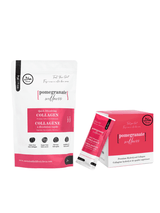
The cheapest way to find out whether collagen fits your morning is the smallest bag. At $39.99 for 28 servings, the Starter Pouch is a low-commitment option.
The formula itself is the same across the range: 100% hydrolyzed bovine collagen peptides, Types 1 and 3, sourced from grass-fed, pasture-raised cattle and Halal-certified. Each serving delivers 9g of pure protein with zero carbs, fats, or sugars.
Mixability is where this one earns its keep. The powder is unflavoured and odorless, so it disappears into coffee, tea, smoothies, soups, or baking without clumping or altering taste.
Check the Starter Pouch details and serving size.

2. Value Upgrade: Unflavoured Halal Collagen Powder 16oz (454g)
The 454g pouch is where the math starts working. At $59.99 for 45 servings, the Value Upgrade is a good option for solo daily users.
Nothing changes about the product. Same Halal-certified bovine collagen, same grass-fed source, same unflavoured, odorless profile that dissolves without clumping. The 16oz resealable pouch simply holds 45 servings instead of 28, which works out to roughly six weeks at one serving a day.
Best for: the daily user who has settled on a routine and wants a lower cost per serving. Skip if: you travel often and prefer a smaller format.
Compare the 16oz pouch size and purchase options.

3. Ultimate Value Bundle: 2 x 16oz (454g) Pouches
Two 454g pouches, 90 servings, $112.99. That is the bundle for anyone looking for a consistent collagen routine.
The pitch is continuity. Ninety servings covers roughly three months at one scoop a day and removes the friction of reordering every six weeks.
Starter Pouch : Unflavoured Halal Collagen Powder 10oz (284g) →
Best for: the consistent daily user who wants to stop reordering. Skip if: you are still testing whether collagen agrees with you.
Confirm what the 2-pouch bundle includes.

4. Family Value Pack: 3 x 16oz (454g) Pouches
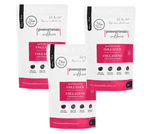
Three pouches, 135 servings, $169.99. This is the household option.
If two or more people in a home take collagen daily, one large order can be a convenient option. The unflavoured, odorless formula helps too, since it works in tea, coffee, smoothies, and soups without anyone objecting to the taste.
Best for: families, couples, or households where more than one person takes collagen daily. Skip if: you live alone or are buying for the first time.
5. Best Friends Duo: 2 x 10oz (284g) Pouches
Two small pouches, 56 servings, $75.99. This one is ideal for sharing, or for keeping one bag at home and one somewhere else.
Splitting a duo with a friend is the obvious use; the less obvious one is logistics.
Best for: sharing with someone, or keeping one pouch at home and one on the move. Skip if: you only need one supply and want the lowest cost per serving.
How to Choose a Collagen Supplement That Fits Your Routine
Choosing well comes down to four questions: is it certified, does the format fit how you actually drink it, does the cost per serving hold up over months, and is it suitable for you specifically.
1. Start with certification and provenance
A Halal claim printed on a package is not the same as third-party Halal certification. Ask what body certified it and whether the certificate covers the slaughter method. Grass-fed sourcing is the second check, since it speaks to the animal's diet and supply-chain traceability. If the brand cannot name the species and origin, treat the provenance claim as unverified.
2. Match the format to your habit
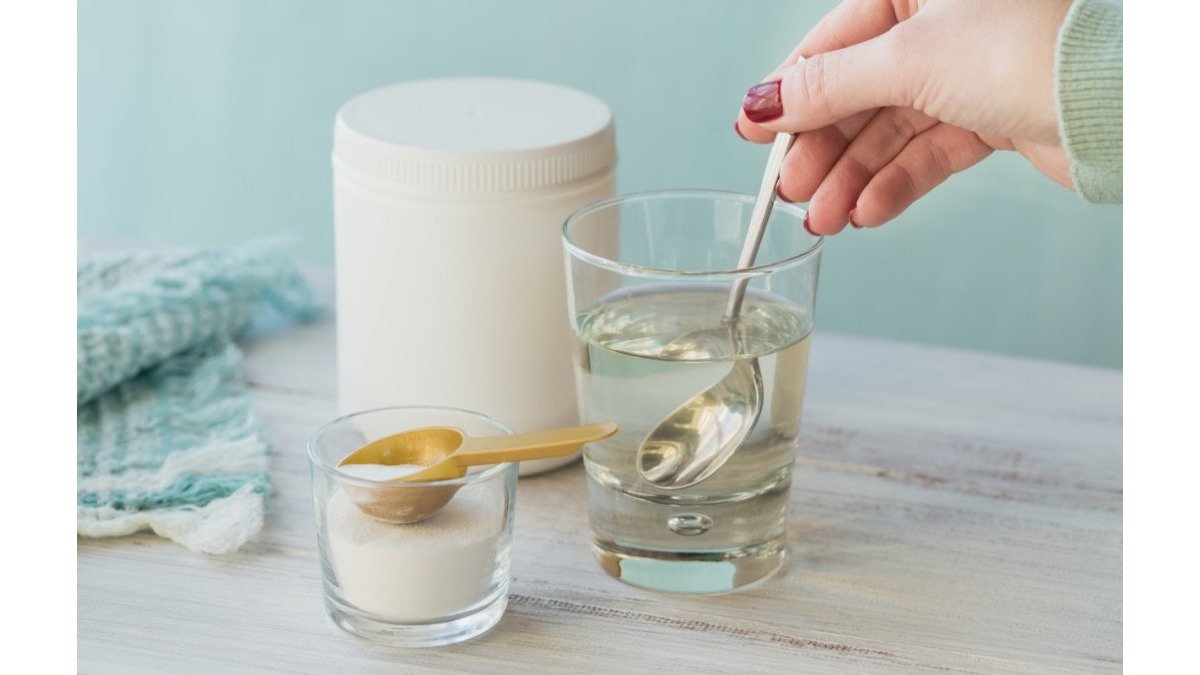
Unflavored collagen powder is the most flexible option because it goes into whatever you already drink. Capsules suit people who will not mix anything; liquids and gels are convenient but usually cost more per serving and carry added flavoring. If you drink coffee every morning, powder wins. Completely unflavored, odorless powder that dissolves instantly into hot or cold beverages without changing the taste is ideal for a daily routine.
3. Do the cost-per-dose math, not the pouch math
Divide the price by the number of servings, not by the pouch weight. If you are deciding between formats, our guide on how to pick collagen bundles walks through matching a bundle to your routine. That single calculation exposes which size is genuinely better value and stops you overpaying for packaging. A worked example using the lineup above:
| Format | Servings | Price (CAD) | Cost per serving (CAD) |
|---|---|---|---|
| Starter Pouch (284g) | 28 | $39.99 | ~$1.43 |
| Value Upgrade (454g) | 45 | $59.99 | ~$1.33 |
| Ultimate Value Bundle (2 x 454g) | 90 | $112.99 | ~$1.26 |
| Family Value Pack (3 x 454g) | 135 | $169.99 | ~$1.26 |
| Best Friends Duo (2 x 284g) | 56 | $75.99 | ~$1.36 |
The pattern holds across the category: cost per serving falls as package size climbs, then flattens. The jump from starter to 454g offers a significant saving.
4. Check suitability before you commit
Collagen is not appropriate for everyone, and the evidence for claimed benefits has limits. People with a diagnosed allergy to beef or fish should avoid the corresponding source. Those managing kidney conditions, taking medication, or pregnant or breastfeeding should speak to a qualified health professional before adding a supplement. Collagen peptides supply amino acids the body uses in skin, hair, nail, and joint tissue, and many people report improvements in skin hydration and joint comfort over weeks rather than days, but individual results vary and supplements are not a treatment for any condition.
Watch Out
Consider starting with a smaller size to confirm you like the taste and texture before scaling up to a larger bundle.
Frequently Asked Questions
How can you tell whether a collagen supplement is made in Canada?
Check the label for a Canadian manufacturing statement and look for a brand that publishes its sourcing and production details. A Canadian made collagen product should name where the cattle are raised and where the powder is processed. Halal certification adds a second layer: look for a named certifying body rather than a generic Halal claim. If a brand will not state its source or its certifier, treat the Canadian claim as unverified until it does.
How long does it take to notice results from collagen supplements?
Most people report changes in skin hydration and nail strength after eight to twelve weeks of consistent daily use. Joint comfort tends to follow a similar timeline. Collagen is a structural protein, so results build gradually rather than overnight. The key variable is consistency: a daily serving of around 9g of hydrolyzed peptides, taken at the same time each day, gives you the best chance of noticing a difference. Stop after three months and you lose the routine that produced the change.
Can collagen powder be mixed into hot and cold drinks?
Hydrolyzed collagen peptides dissolve in both. Hot coffee, tea, soups, and cold water, smoothies, or juice all work. The powder is unflavored and odorless, so it does not change the taste of your drink. Stir or shake briefly and it disappears without clumping. Avoid boiling it vigorously for long periods, since prolonged high heat can affect how cleanly it dissolves. Add it to a hot drink after the kettle is off the boil for the smoothest result.
What should you look for when comparing collagen supplements?
Start with four things: the collagen type (Types I and III support skin, hair, and joints), the source (grass-fed bovine is a common choice), the dose per serving (aim for 8-10g of peptides), and the price per serving rather than the pouch price. Then check the label for additives you want to avoid, such as sugar, artificial flavors, or preservatives. Finally, confirm certification if Halal compliance matters to you, and confirm where the product is manufactured.
Does collagen powder actually work?
Evidence is strongest for skin hydration and elasticity, and moderate for joint comfort, though results vary by person and by dose. Hydrolyzed collagen peptides are broken into small fragments that the body can absorb, which is why the hydrolyzed form is preferred over gelatin. It is not a treatment for any condition, and statements about supplements are not evaluated by regulatory health authorities. Think of it as a daily nutritional support alongside a varied diet, not a replacement for medical care.