Cart
0
For Muslims building a routine for stronger hair, healthier-looking skin, or everyday nutritional support, collagen should never be a guessing game. The question, is bovine collagen permissible, has a clear starting point: bovine collagen can be halal, but only when its animal source, processing, and handling meet Islamic requirements.
That distinction matters because “bovine” only means the collagen comes from cattle. It does not automatically tell you whether the cattle were slaughtered according to halal standards, whether the manufacturing process remained free from non-halal contamination, or whether a reliable halal authority has verified the finished product. A clean label is valuable. Halal certification is the reassurance that connects ingredient purity with faith-aligned sourcing.
Is Bovine Collagen Permissible in Islam?
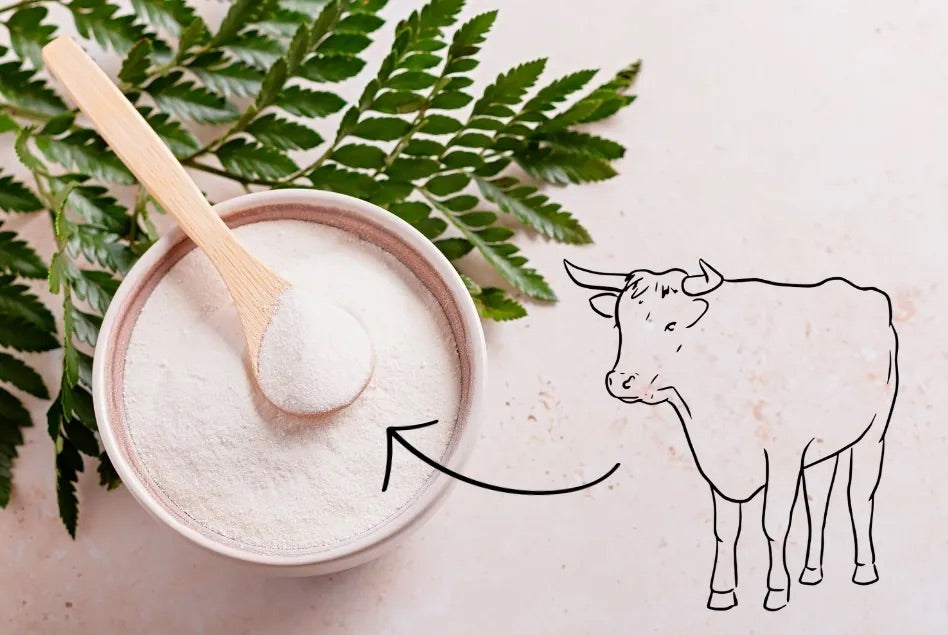
Bovine collagen is generally permissible when it is derived from cattle that have been slaughtered in accordance with Islamic dietary law and processed without prohibited ingredients or contamination. When those conditions are met, the collagen is considered halal.
Collagen is a protein found naturally in connective tissues such as hides, bones, and cartilage. During production, that protein is extracted and broken down into smaller peptides that dissolve more easily in drinks and foods. The finished powder may look simple and neutral, but its journey from animal source to supplement can involve several steps. That is why the source cannot be assumed from the front label alone.
For a Muslim consumer, the key concern is not whether collagen supports skin elasticity or hair wellness. It is whether the product was made in a manner that respects halal principles from the start. A halal-certified collagen product provides a practical answer because an independent certifier reviews the supply chain and production standards rather than leaving the customer to investigate each detail alone.
What Makes Bovine Collagen Halal?
A halal bovine collagen supplement should satisfy more than one requirement. The most reliable products make these standards clear rather than asking customers to infer them from words like “natural,” “grass-fed,” or “premium.”
The cattle must come from a halal-approved source
The animal source is the foundation. Cattle must be slaughtered according to halal requirements under appropriate supervision. Grass-fed sourcing may speak to farming practices and product quality, but it does not replace halal slaughter verification. A product can be grass-fed and still lack the documentation Muslim consumers need.
The formula must be free from prohibited ingredients
Pure bovine collagen powder may contain just one ingredient: hydrolyzed bovine collagen peptides. That simplicity is a benefit. It reduces the chance of hidden flavors, gelatin blends, enzymes, sweeteners, or additives with unclear origins.
Flavored collagen products can require extra scrutiny. Creamers, gummies, ready-to-drink formulas, and beauty blends may include flavor systems, vitamins, emulsifiers, or other ingredients that need separate halal review. Unflavored collagen gives you more control because it can be added to coffee, tea, smoothies, soups, or water without bringing a long list of unnecessary extras into your routine.
Manufacturing must prevent cross-contamination
Even if the collagen begins with a halal-approved bovine source, handling matters. Shared production equipment, storage practices, processing aids, and packaging environments can affect a product’s halal status. Halal certification addresses the full process, not simply the origin of one raw material.
Certification should be current and recognizable
The strongest reassurance is a clearly stated halal certification from a credible certifying body. It signals that the product has been assessed against halal standards and that the brand is prepared to stand behind its claims. If a label simply says “halal-friendly” or “suitable for halal diets” without certification details, ask more questions before purchasing.
Why “Bovine” Does Not Automatically Mean Halal
This is where many collagen shoppers get caught out. Bovine collagen is not pork collagen, but the absence of pork does not automatically make it halal. In Islamic dietary practice, permissibility depends on the animal and how it was handled.
The same caution applies to “pasture-raised,” “non-GMO,” and “clean” claims. These can be meaningful quality markers, especially for people looking for a straightforward supplement, but they answer different questions. Non-GMO describes genetic engineering standards. Dairy-free and gluten-free address dietary compatibility. Halal certification addresses religious compliance.
A trustworthy collagen product can offer all of these benefits together: halal certification, grass-fed sourcing, a single-ingredient formula, and no sugar, dairy, gluten, fillers, or artificial additives. But each claim should be communicated honestly and supported clearly.
How to Choose Halal Bovine Collagen With Confidence
When comparing collagen powders or travel sachets, start with the product page or package, not a general assumption about the brand. Look for a visible halal certification statement and a transparent ingredient list. If you cannot identify the certifier or find a clear answer about bovine sourcing, that uncertainty is worth taking seriously.
It also helps to choose hydrolyzed collagen peptides. Hydrolyzed simply means the protein has been broken into smaller pieces for easier mixing and digestion. It does not determine whether the collagen is halal, but it makes the powder convenient for daily use. A quality unflavored powder should dissolve easily in hot or cold drinks with little impact on taste.
For busy routines, sachets can make consistency easier. Keeping single-serve collagen in a work bag, gym bag, or carry-on removes the usual excuse of forgetting the tub at home. The best format is the one you will actually use every day, whether that is a family-size pouch at home or portable servings for travel.
Before buying, use this quick four-part check:
- Look for credible halal certification, not only a vague halal claim.
- Confirm that the collagen is bovine and that halal-compliant sourcing is stated.
- Read the complete ingredient list for flavors, additives, and unnecessary blends.
- Choose a format and price per serving that make daily use realistic.
Common Questions About Halal Collagen
Is hydrolyzed bovine collagen halal?
Hydrolyzed bovine collagen can be halal when the bovine source is halal-compliant and the complete production process meets halal requirements. “Hydrolyzed” describes how the protein is processed, not its religious status.
Is collagen the same as gelatin?
They are related proteins, but they are not identical products. Gelatin is commonly used to create a gel-like texture in foods, capsules, and gummies. Collagen peptides are further broken down so they dissolve more easily in liquids. Both still require halal-compliant sourcing if they come from animals.
Can I trust collagen labeled grass-fed?
Grass-fed can be a positive sourcing claim, but it is not proof of halal status. Look for halal certification alongside grass-fed, non-GMO, and clean-label claims.
Do I need to ask a scholar before taking collagen?
If you follow a particular scholarly opinion or have questions about a product’s certification, asking a trusted local scholar is always appropriate. For everyday purchasing, choosing clearly halal-certified bovine collagen removes much of the uncertainty.
A Faith-Aligned Routine Should Feel Simple
You should not have to choose between your wellness goals and your values. When bovine collagen is halal-certified, transparently sourced, and free from unnecessary ingredients, it can fit naturally into a daily routine for hair, skin, nails, and nutritional support.
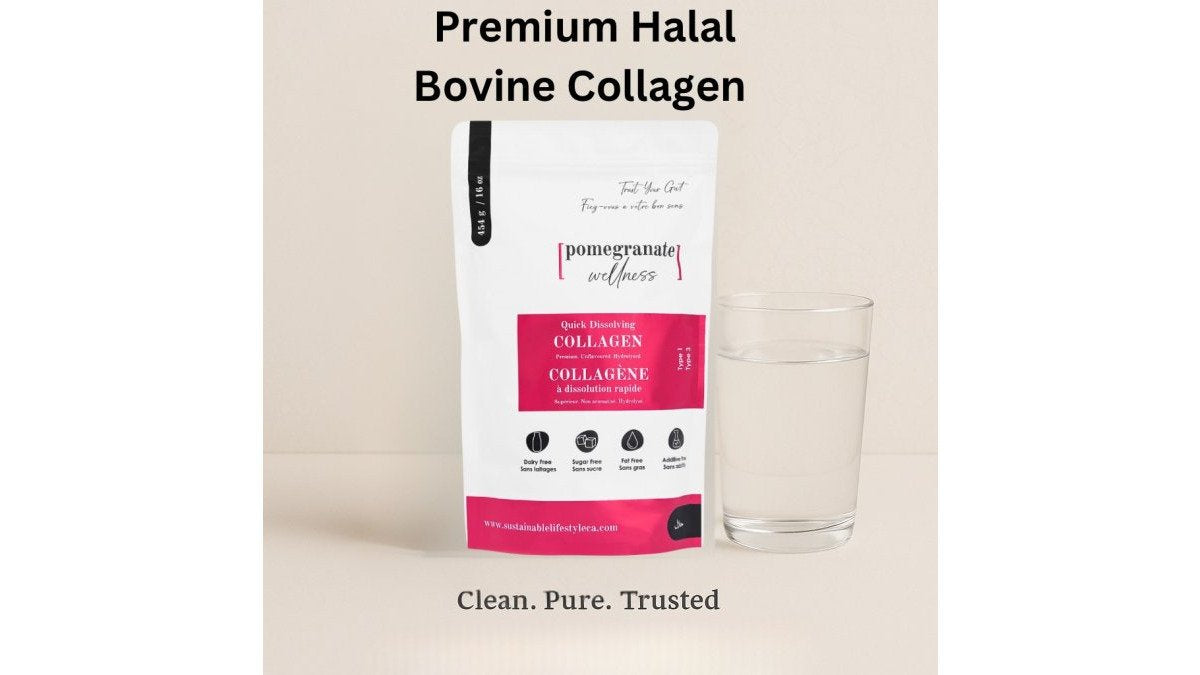
Sustainable Lifestyle was built for customers who want that clarity in one simple scoop or sachet: halal-certified, grass-fed bovine collagen with no fillers, sugar, dairy, or gluten. Choose products that make their standards easy to see, then make your collagen ritual one small act of care you can feel good about every day.