Cart
0
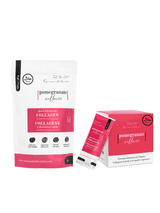
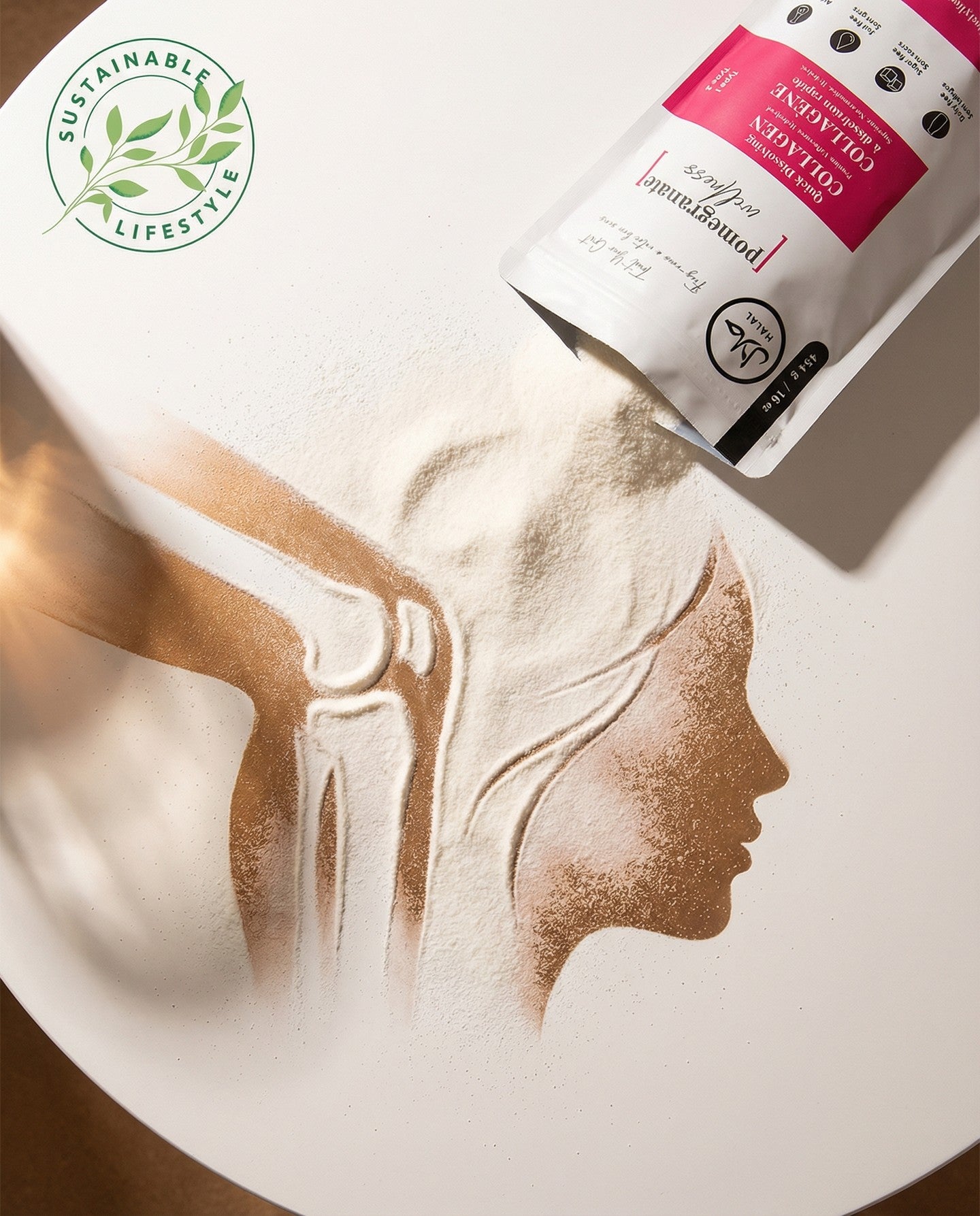
Stiff knees after a long day, discomfort when climbing stairs, and the familiar urge to stretch after sitting too long can make joint support feel urgent. Bovine collagen for joints is a simple daily option many people consider because it provides the amino acids that help build connective tissues throughout the body. But it is not a quick fix, and choosing a clean, halal-certified product matters just as much as building a consistent routine.
What bovine collagen does for joint support
Collagen is the most abundant structural protein in the body. It is found in skin, bones, tendons, ligaments, cartilage, and other connective tissues. As we age, our natural collagen production declines. Training hard, carrying extra body weight, repetitive movement, and poor recovery can also place more demand on the tissues that help joints move comfortably.
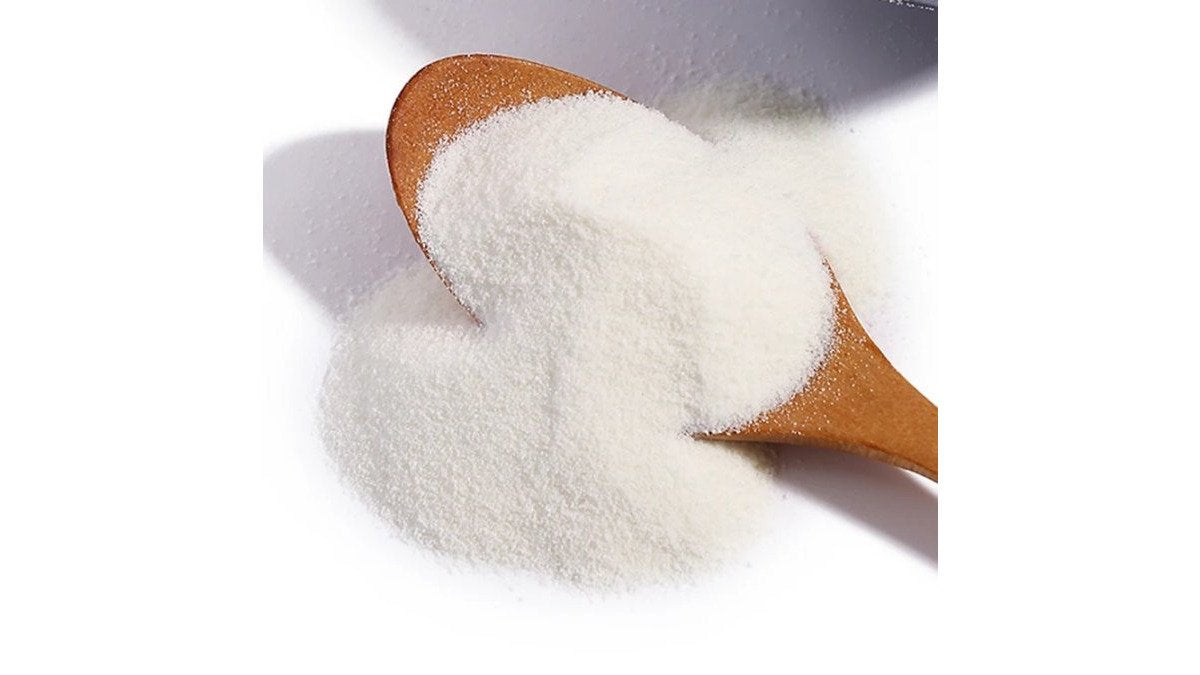
Bovine collagen comes from cattle and is typically rich in Type I and Type III collagen. These are especially associated with connective tissue structure, including tendons and ligaments. Most collagen powders are hydrolyzed, meaning the protein has been broken into smaller peptides that dissolve more easily and are easier for the body to absorb.
For joint health, the realistic goal is support, not a miracle. Collagen peptides may help provide nutritional building blocks for the body's connective tissues and can be a useful addition to a routine that already includes movement, adequate protein, sleep, and balanced nutrition. Results vary. Someone managing occasional stiffness after exercise may notice a different experience than someone with a diagnosed joint condition or persistent pain.
Can bovine collagen help with joint comfort?
Research on collagen peptides suggests they may support joint comfort and mobility for some adults, particularly when taken consistently over time. The proposed benefit is linked to collagen's amino acid profile, including glycine, proline, and hydroxyproline, which are involved in connective tissue health.
That said, collagen is not a replacement for medical care, physical therapy, or treatment recommended by your health professional. If you have swelling, instability, a recent injury, severe pain, or discomfort that does not improve, it is worth speaking with a clinician rather than relying on a supplement alone.
Think of collagen as daily nutritional support. It works best when expectations are practical: you are giving your body a consistent source of protein peptides while supporting your joints through healthy habits. Most people who use collagen regularly give their routine several weeks before judging whether it fits their needs.
Collagen works best alongside the basics
A collagen powder cannot offset a sedentary routine or repeated overtraining. Gentle strength work helps support the muscles around your joints, while walking, mobility exercises, and appropriate recovery can improve how your body feels day to day. Hydration and sufficient total protein matter too.
Vitamin C also plays a role in the body's normal collagen formation. You do not need an elaborate protocol. Pairing collagen with a meal or drink that includes fruit, vegetables, or another source of vitamin C is an easy, sensible habit.
Bovine collagen for joints versus other collagen types
Not every collagen product is made for the same purpose. Marine collagen is often marketed heavily for skin, while bovine collagen is a familiar choice for people seeking broad support for hair, skin, nails, and connective tissues. Chicken collagen is commonly associated with Type II collagen and cartilage-focused formulas, but it may not meet every dietary preference or certification requirement.
| Collagen source | Common collagen types | Often chosen for | Key consideration |
|---|---|---|---|
| Bovine | Type I and III | Joints, skin, hair, nails, general connective tissue support | Look for clear sourcing and halal certification |
| Marine | Primarily Type I | Skin-focused routines | Not suitable for those avoiding fish |
| Chicken | Often Type II | Cartilage-focused formulas | Certification and ingredient transparency vary |
For Muslim consumers, the source alone is not enough. A bovine product is only suitable when its full production process aligns with halal requirements. That includes ingredient sourcing, processing, and credible halal certification. A vague label or an assumption that all beef collagen is halal does not provide the certainty many families want.
What to look for in a halal collagen powder
The best collagen routine is the one you will actually use. That usually means a formula with a short ingredient list, a taste you can work with, and standards you can trust.
Start with halal certification from a recognizable certifying body. Then check that the collagen is clearly identified as bovine and that the brand explains its sourcing. Grass-fed and GMO-free positioning can be valuable for shoppers who prioritize cleaner sourcing, but transparency should always be more than a front-label claim.
An unflavored powder is often the most flexible choice. It can be stirred into coffee, tea, smoothies, oatmeal, soups, or yogurt without adding sweetness, artificial flavors, or unnecessary ingredients. For people avoiding common dietary triggers, a formula free from sugar, dairy, gluten, fillers, and additives keeps the decision straightforward.
Price deserves a closer look too. A large tub may look less expensive than sachets, but cost per serving is the number that matters. Pouches can be practical at home, while single-serve sachets are useful for travel, work, or keeping a daily habit when your schedule changes. Buying a format that fits your life is often better value than buying a product that stays unopened in the cupboard.
Sustainable Lifestyle focuses on halal-certified, grass-fed bovine collagen with a clean, unflavored formula designed for exactly this kind of everyday use. For customers who want faith-aligned wellness without fillers or complicated routines, that clarity is part of the product's value.
How to take collagen consistently
There is no single perfect time to take collagen. Morning coffee works for many people because it attaches the supplement to an existing habit. Others prefer a smoothie after a workout or a warm drink in the evening. Consistency matters more than timing.
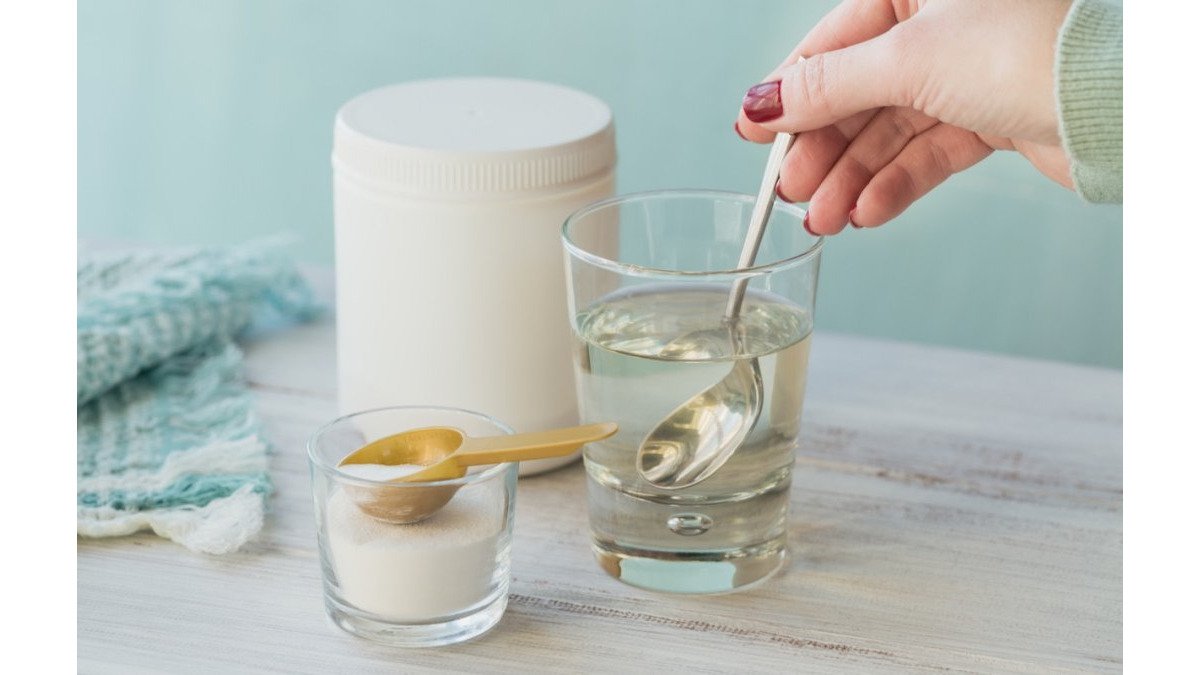
Follow the serving guidance on your chosen product. If you are new to collagen, start with the recommended amount and use it daily before deciding whether to increase or change your routine. Hydrolyzed collagen generally dissolves well in both hot and cold drinks, though shaking cold drinks in a bottle or blending them can help prevent clumps.
A simple routine might look like this: add an unflavored serving to coffee or tea in the morning, eat a balanced breakfast with fruit, and continue supporting your joints through regular movement. It is uncomplicated by design, which makes it easier to sustain.
Who should check with a health professional first?
Collagen is a protein supplement, but that does not mean it is right for every person. Speak with a qualified health professional before starting if you are pregnant or nursing, have kidney disease, follow a medically prescribed protein restriction, have a beef allergy, or are managing an ongoing medical condition. Anyone with a known allergy should carefully review the product label.
Also remember that collagen is not a complete protein because it does not provide all essential amino acids in sufficient amounts. Keep eating a varied diet with complete protein sources such as meat, fish, eggs, dairy, legumes, soy foods, or other foods that suit your needs.
A practical standard for choosing your collagen
When comparing bovine collagen products, do not let flashy packaging make the decision for you. Ask direct questions: Is it genuinely halal-certified? Is the source clearly stated? Does it contain only what you want to take? Is the cost per serving fair? Can you use it easily every day?
Those details turn collagen from another wellness purchase into a routine you can trust. Choose a clean formula that respects your dietary values, give it time, and let daily consistency do the work.