Cart
0
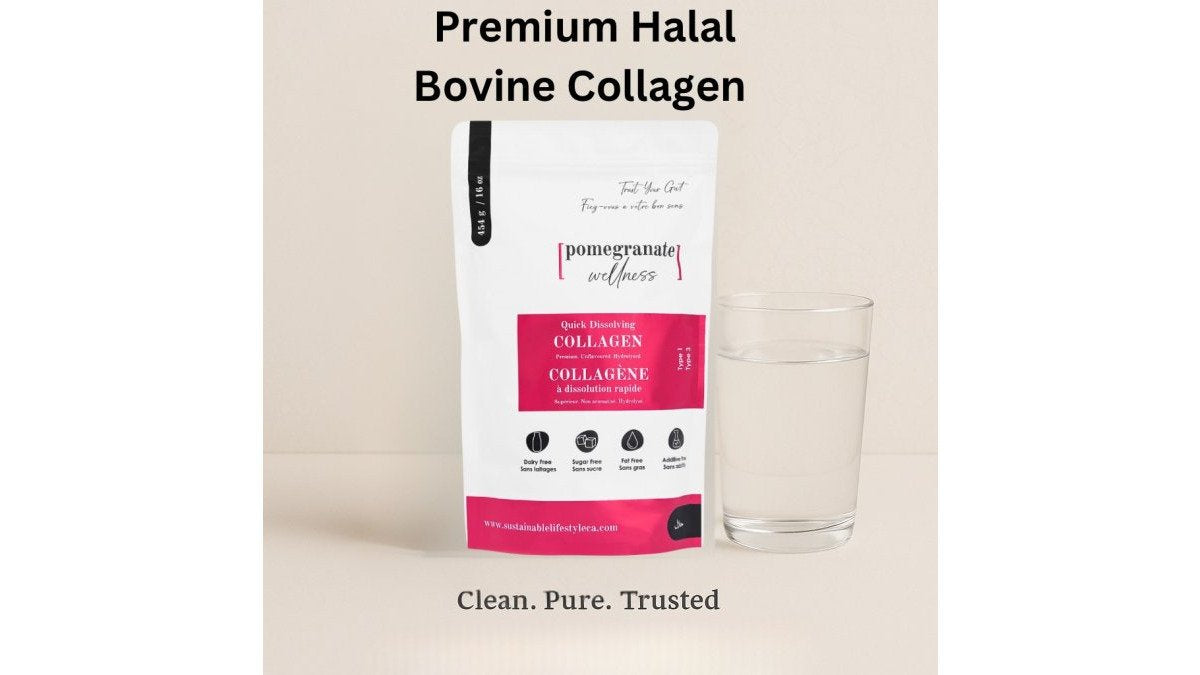
A collagen tub can look clean on the shelf and still leave the biggest question unanswered: is it genuinely halal? For Muslim consumers, halal collagen Canada options should provide more than a vague label or a marketing promise. The source, processing, certification, and everyday ingredients all matter.
That is why collagen is not a category to buy on flavor claims alone. The right product should fit your faith, your wellness routine, and your standards for ingredient purity - without asking you to compromise on any of them.
Why halal collagen needs closer attention
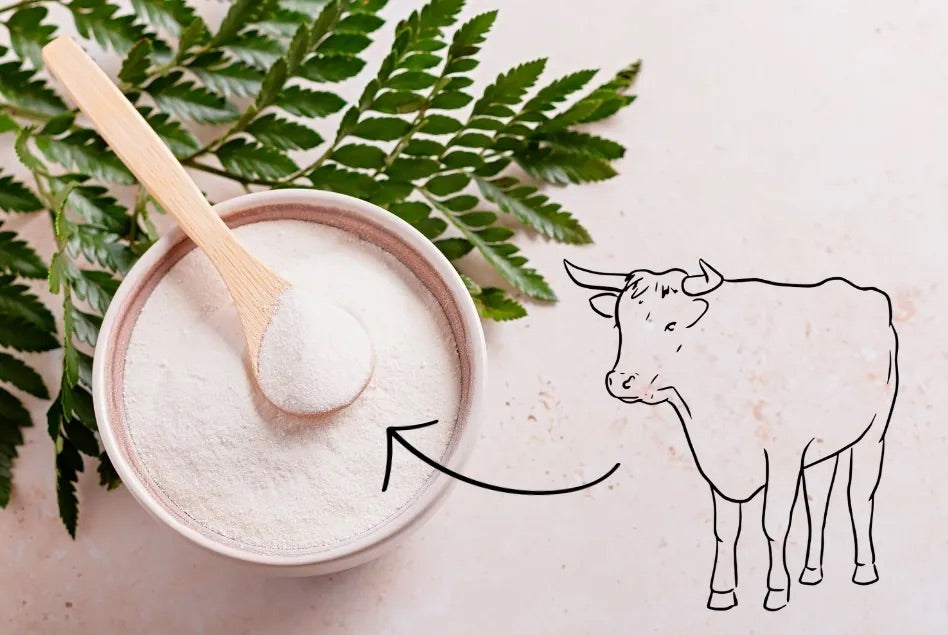
Collagen is a protein naturally found in connective tissues. Most collagen supplements are made from bovine, marine, chicken, or porcine sources. A product may be marketed as “grass-fed,” “clean,” or “natural,” but none of those terms confirms halal status.
For bovine collagen to be halal, the animal source and production process must meet halal requirements. That includes appropriate slaughter practices and careful handling throughout manufacturing. It also means looking beyond the collagen itself. Flavor systems, capsules, sweeteners, processing aids, and blended ingredients can all affect whether a finished supplement meets your dietary needs.
This is especially relevant in Canada, where many popular collagen brands are built for the broad wellness market rather than for halal-conscious customers. If a brand cannot clearly show a recognized halal certification or explain its sourcing, it is reasonable to keep looking.
A dependable halal collagen product removes uncertainty. You should not have to guess whether “bovine” means suitable for your household, your routine, or your values.
What to look for in halal collagen Canada products
A simple formula is usually a stronger place to start. Unflavored bovine collagen powder with no unnecessary extras gives you more control over how you use it and what else goes into your day.
1. Clear halal certification
Look for halal certification that applies to the product, not a loose statement that the ingredient is “halal friendly.” Certification is a trust signal because it addresses the supply chain and manufacturing standards behind the label.
If halal compliance is non-negotiable for you, do not settle for confusing wording. A transparent brand should make its certification status easy to understand and should be ready to stand behind it.
2. A bovine source you can identify
Bovine collagen is a natural choice for many people who want a versatile daily collagen powder. It is commonly used to support skin elasticity, hair and nail strength, joint comfort, and general protein intake as part of a balanced lifestyle.
Grass-fed sourcing can be meaningful, but it should not replace halal certification. Think of them as separate standards: one speaks to animal raising practices, while the other addresses faith-based dietary compliance. The best option can satisfy both.
3. No fillers that dilute your routine
Collagen does not need sugar, artificial flavors, dairy, gluten, or a long list of additives to be useful. If you want the flexibility to stir it into coffee one day and a smoothie the next, unflavored powder is often the practical choice.
A clean-label formula also makes it easier to spot what you are taking. This matters for people managing dietary preferences, sensitive stomachs, or a home where multiple family members may use the same product.
4. A format you will actually use
The best collagen is the one that becomes part of your routine. Larger pouches can offer strong value per serving for at-home use, while single-serve sachets solve a different problem: consistency when you are commuting, traveling, fasting, or moving between work and family commitments.
Neither format is automatically better. Choose a pouch if value and daily use at home are your priority. Choose sachets if convenience helps you avoid missed days. Many regular users keep both on hand.
How collagen can fit a realistic wellness routine
Collagen is not a shortcut for every hair, skin, or joint concern. Results vary based on your overall protein intake, hydration, sleep, stress, age, and existing health conditions. Still, a daily collagen habit can be a useful addition for people who want focused nutritional support.
For skin, collagen peptides are often used as part of a beauty-from-within routine that also includes hydration, sun protection, and nourishing meals. For hair, collagen provides amino acids that support the body’s protein needs, but it is not a replacement for addressing iron deficiency, thyroid concerns, postpartum changes, or other causes of shedding.
For active adults, collagen can be an easy protein addition before or after a walk, workout, or busy day. It mixes into hot and cold drinks, so there is no need to build an elaborate routine around it. Add it to coffee, tea, oatmeal, yogurt, smoothies, soups, or water if you prefer to keep things simple.
Consistency matters more than perfection. Pick one daily moment that already happens, such as your morning drink or afternoon snack, and connect your serving to that habit.
Comparing collagen labels without getting distracted
Price matters, but the lowest price on the page is not always the best value. Compare the cost per serving, the grams of collagen in each serving, the ingredient list, and the certification behind the product. A large container with a low sticker price may offer fewer servings or include ingredients you do not want.
| What to compare | Why it matters |
|---|---|
| Halal certification | Gives confidence that sourcing and processing meet halal standards. |
| Collagen source | Confirms whether the collagen is bovine and suitable for your preferences. |
| Ingredients | Helps you avoid unnecessary sugar, dairy, gluten, flavoring, and fillers. |
| Grams per serving | Shows how much collagen you are actually receiving each day. |
| Price per serving | Makes bundle and pouch sizes easier to compare fairly. |
| Format | Determines whether powder, sachets, or both will support consistent use. |
Marketing language can make every product sound similar. The details are where the difference appears. A transparent brand will tell you what is in the formula, what is not in it, and why it meets halal standards.
Who should check with a health professional first?
Collagen is widely used as a dietary supplement, but personal circumstances still matter. Speak with a qualified health professional before adding it to your routine if you are pregnant, breastfeeding, managing a medical condition, following a medically prescribed diet, or have questions about protein intake.
Anyone with a beef allergy should avoid bovine collagen. If you have a sensitive digestion history, begin with the labeled serving size and pay attention to how you feel. More is not always better, especially when you are establishing a new habit.
A cleaner standard for daily collagen
Muslim consumers should not have to choose between modern wellness convenience and halal confidence. Sustainable Lifestyle was built around that gap, offering halal-certified, grass-fed bovine collagen in unflavored pouches and portable sachets without added sugar, dairy, gluten, GMOs, or unnecessary fillers.
The appeal is straightforward: a clean formula that fits coffee, smoothies, and real schedules, backed by standards that do not become unclear the moment you read the fine print. Whether your focus is stronger-looking hair, healthy-looking skin, daily protein support, or a more intentional self-care routine, your collagen should feel easy to trust.
Start with the label, not the hype. When the source is clear, the halal certification is visible, and the formula is simple enough to use every day, collagen becomes one less question mark in your wellness routine.