Cart
0
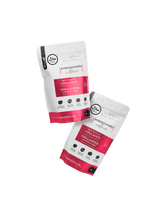
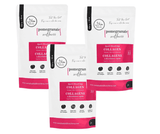
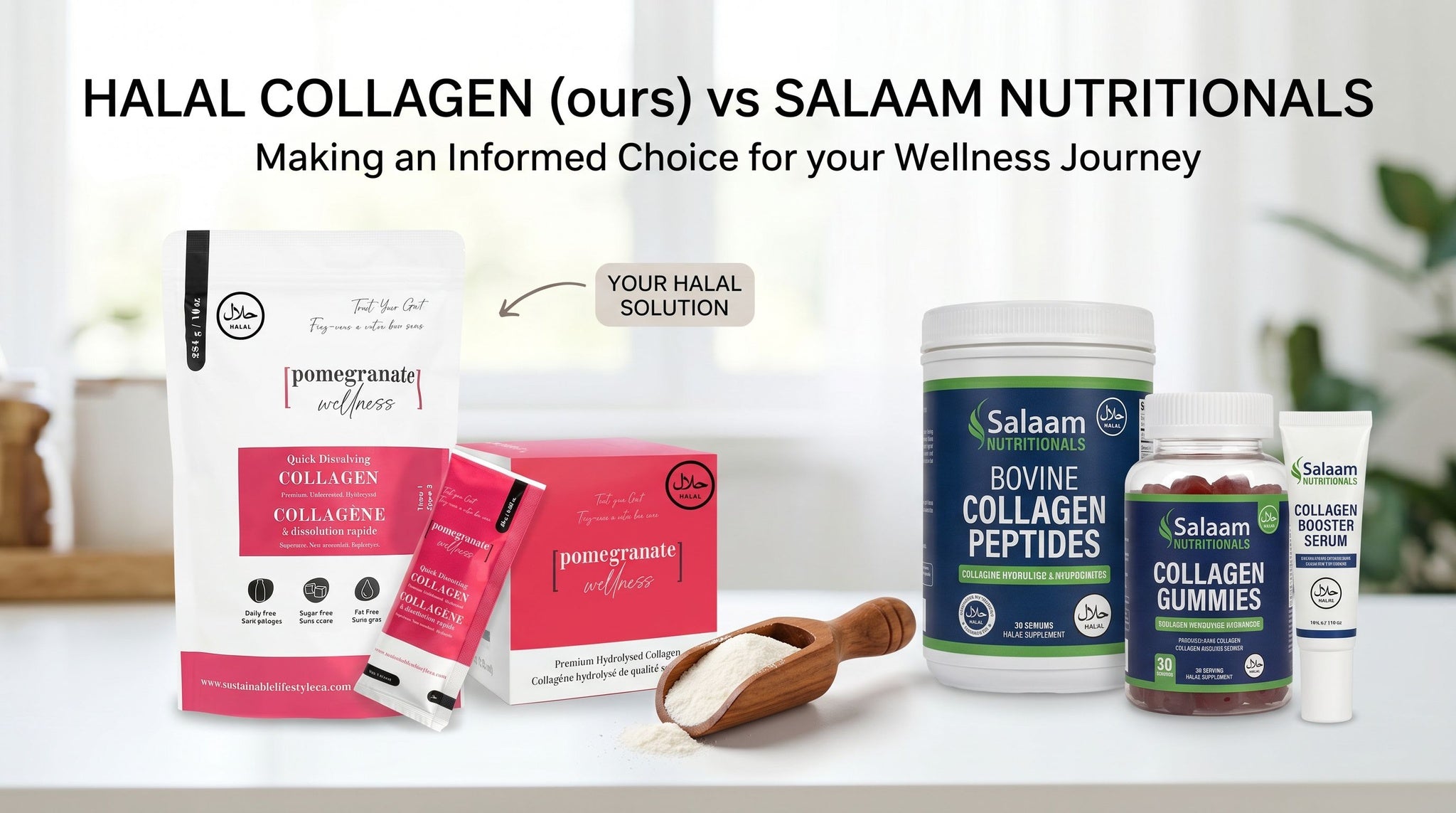
If you are comparing halal collagen vs Salaam Nutritionals, you are probably not looking for hype. You want to know whether the product is truly halal, whether the formula is clean, and whether it fits your daily routine without forcing you to compromise on faith, quality, or value.
That is the right place to start, because collagen is not just another wellness trend for Muslim shoppers. It sits in a category where sourcing matters, manufacturing matters, and certification matters. A product can look good on the front of the package and still leave big questions once you start reading the details.
Halal collagen vs Salaam Nutritionals: what matters most
The first thing to understand is that not all collagen products solve the same problem. Some are built for general supplement buyers. Others are built specifically for Muslim consumers who want clear halal compliance, simple ingredients, and a product that supports everyday goals like healthier-looking skin, stronger hair, and convenient nutritional support.
When people compare options in this category, the real decision usually comes down to five things: halal status, ingredient purity, source quality, ease of use, and price per serving. If even one of those feels uncertain, the product stops feeling like a safe long-term choice.
That is especially true with collagen, because this is a supplement many people take every day. You are not buying something to use once in a while. You are choosing a product that becomes part of your morning coffee, smoothie, or water bottle, so trust matters more here than in categories where occasional use is enough.
Start with halal certification, not marketing language
This is the biggest filter, and for many Muslim buyers it decides the shortlist immediately.
A product described as clean, grass-fed, or high quality is not automatically halal. Even bovine collagen is only suitable if the sourcing and processing meet halal requirements. That is where some brands create confusion. They may speak to Muslim audiences or use faith-adjacent branding, but consumers still need actual reassurance around certification and compliance.
For a halal collagen product to feel dependable, the brand should be clear about its certification rather than vague about ingredients alone. That difference matters. Ingredient cleanliness is important, but it does not replace halal verification.
If you are comparing halal collagen vs Salaam Nutritionals, ask a direct question first: is the product clearly halal-certified, and is that claim easy to verify? If the answer is unclear, everything else becomes secondary.
Ingredient purity makes a bigger difference than most people expect
Once halal status is established, the next issue is formula simplicity.
Many collagen buyers are not asking for a long list of extras. They want one job done well. A premium bovine collagen powder should ideally give you collagen without unnecessary fillers, sugar, dairy, gluten, or artificial additives. That matters for daily use because the cleaner the formula, the easier it is to work into different routines.
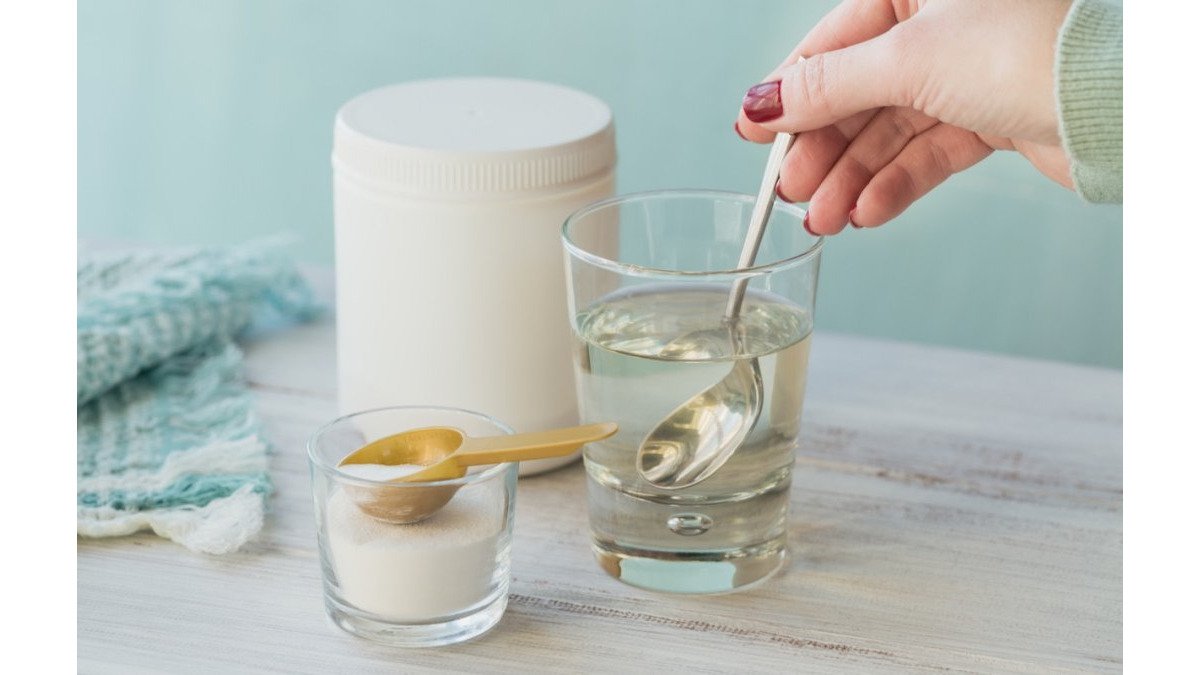
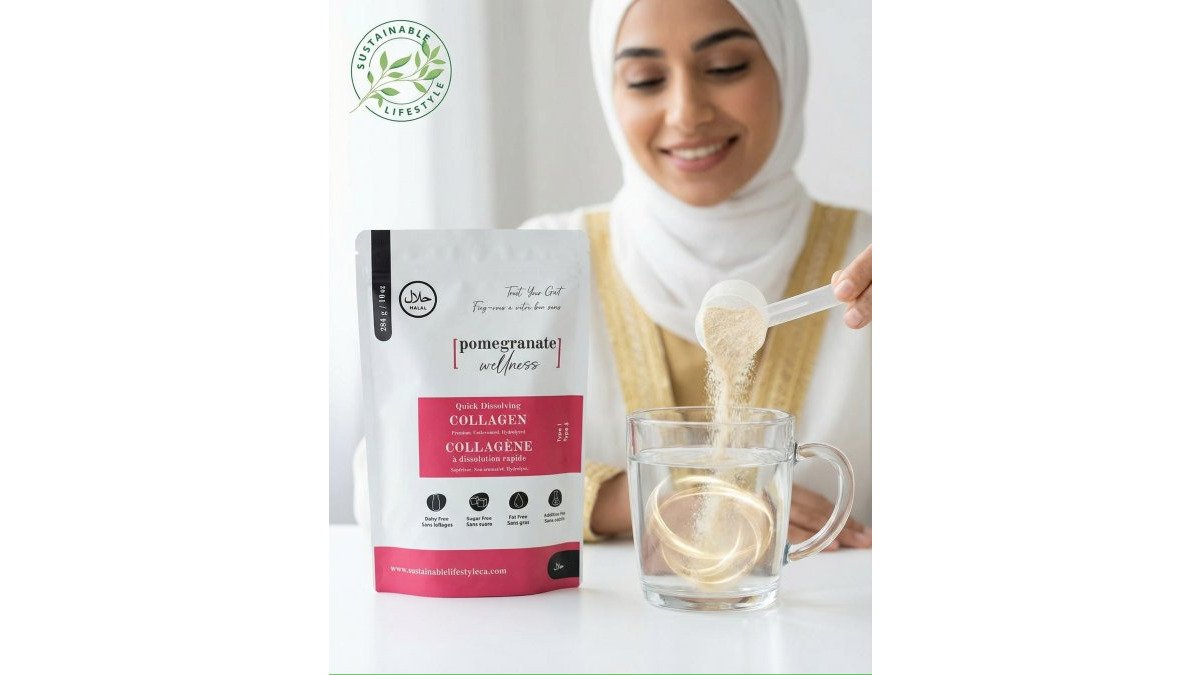
An unflavored collagen powder has a practical advantage here. You can stir it into coffee, tea, smoothies, soups, or plain water without fighting a strong taste profile. That flexibility is one of the reasons simple collagen formats often outperform trendier products with flavor systems or beauty add-ons. The simpler option tends to be easier to stick with.
For shoppers focused on skin and hair support, purity also supports consistency. If a product feels clean and easy to use, you are more likely to take it every day. That is what gives any supplement a fair chance to deliver visible results over time.
Source quality is not just a premium talking point
Grass-fed, bovine, and GMO-free are terms people see often, but they should still mean something in a real comparison.
A halal collagen product built from grass-fed bovine sources generally appeals to buyers who want a cleaner and more trustworthy foundation. It signals that the brand is thinking beyond basic compliance and into overall product quality. For customers who are already selective about what they eat and drink, that extra layer matters.
This is where collagen shopping becomes less about flashy branding and more about alignment. You are not simply choosing between two labels. You are deciding whether the product reflects the standards you apply to the rest of your lifestyle.
That is why many Muslim buyers prefer brands that are transparent about sourcing and identity. A Muslim-owned company selling halal-certified wellness products often understands the hesitation behind the purchase. It is not just about making a sale. It is about removing doubt.
Convenience matters if you actually plan to stay consistent
A good collagen product should fit real life.
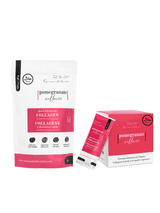
That means at-home tubs or pouches for regular use, but it can also mean travel sachets for work, weekends away, or busy mornings when measuring powder feels like one extra task. This sounds small until you look at what makes people stop taking supplements. Convenience is often the difference between a product you buy once and a product you reorder.
When comparing halal collagen vs Salaam Nutritionals, think about your routine honestly. If you want collagen for everyday hair, skin, and beauty support, the best choice is usually the one that removes friction. Easy mixing, no strong aftertaste, simple ingredients, and portable options all help turn intention into habit.
That is especially helpful for women building a beauty-from-within routine. If a collagen product can move from the kitchen counter to a handbag or travel case without hassle, it becomes much easier to use consistently.
Value is more than the sticker price
Collagen can look affordable until you break it down by serving size, ingredient quality, and format.
A lower upfront price does not always mean better value if the serving count is small, the formula is diluted, or the product lacks the trust signals you actually care about. On the other hand, a product with strong sourcing, halal certification, and a clean-label formula can justify its price if the cost per serving stays competitive.
That is the smart way to compare. Look at what you are paying for each daily serving, not just what you pay at checkout. Then factor in whether the product offers added convenience like sachets, bundles, or family-size options that reduce long-term cost.
For many buyers, the best-value collagen is not the cheapest one. It is the one they feel confident taking every day because it covers faith, quality, and practicality in one product.
Who should choose which type of product?
If your main priority is broad brand familiarity, you may be comfortable with a product that appears to speak to halal-conscious shoppers but offers less clarity around the details. Some buyers are fine with that.
But if your priority is certainty, a dedicated halal collagen option is usually the stronger fit. That is especially true if you care about all of the following at once: halal certification, bovine sourcing, no fillers, no sugar, no dairy, no gluten, and a product designed for everyday use rather than occasional experimentation.
This is where a specialized brand can have a clear advantage over a more general wellness competitor. It is not trying to be everything to everyone. It is solving a specific problem for a specific customer.
For Muslim adults who want a collagen product that supports hair, skin, and daily wellness without second-guessing ingredients, a focused halal brand often feels more dependable. And for shoppers who want price-conscious bundles, portable sachets, and a straightforward formula, that focus becomes even more valuable.
The better question is not which brand is louder
It is which product gives you fewer reasons to hesitate.
The best collagen choice should feel easy to trust the first time and easy to reorder the second time. That means clear certification, simple formulation, transparent sourcing, and a format that matches your routine. If one option leaves you researching basic questions for too long, that hesitation is useful. It tells you something.
For shoppers comparing halal collagen vs Salaam Nutritionals, the decision often becomes clear once you stop looking at branding alone and start looking at proof, purity, and everyday usability. A product that is halal-certified, grass-fed, unflavored, and free from unnecessary additives gives a stronger foundation for long-term use than one that only partially answers the questions Muslim consumers naturally ask.
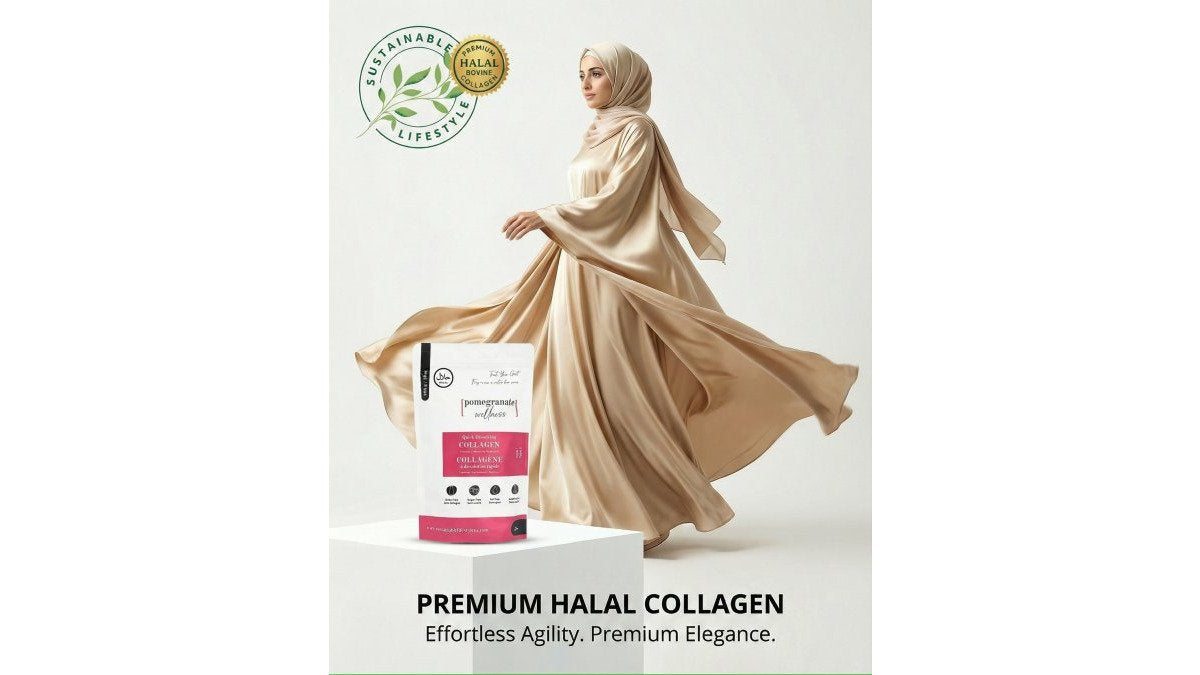
One brand in this space that speaks directly to that need is Sustainable Lifestyle, with a halal-certified, Muslim-owned approach built around clean ingredients, daily convenience, and strong value per serving.
When a collagen product respects both your health goals and your religious standards, it stops feeling like a compromise and starts feeling like the right routine to keep.