Cart
0
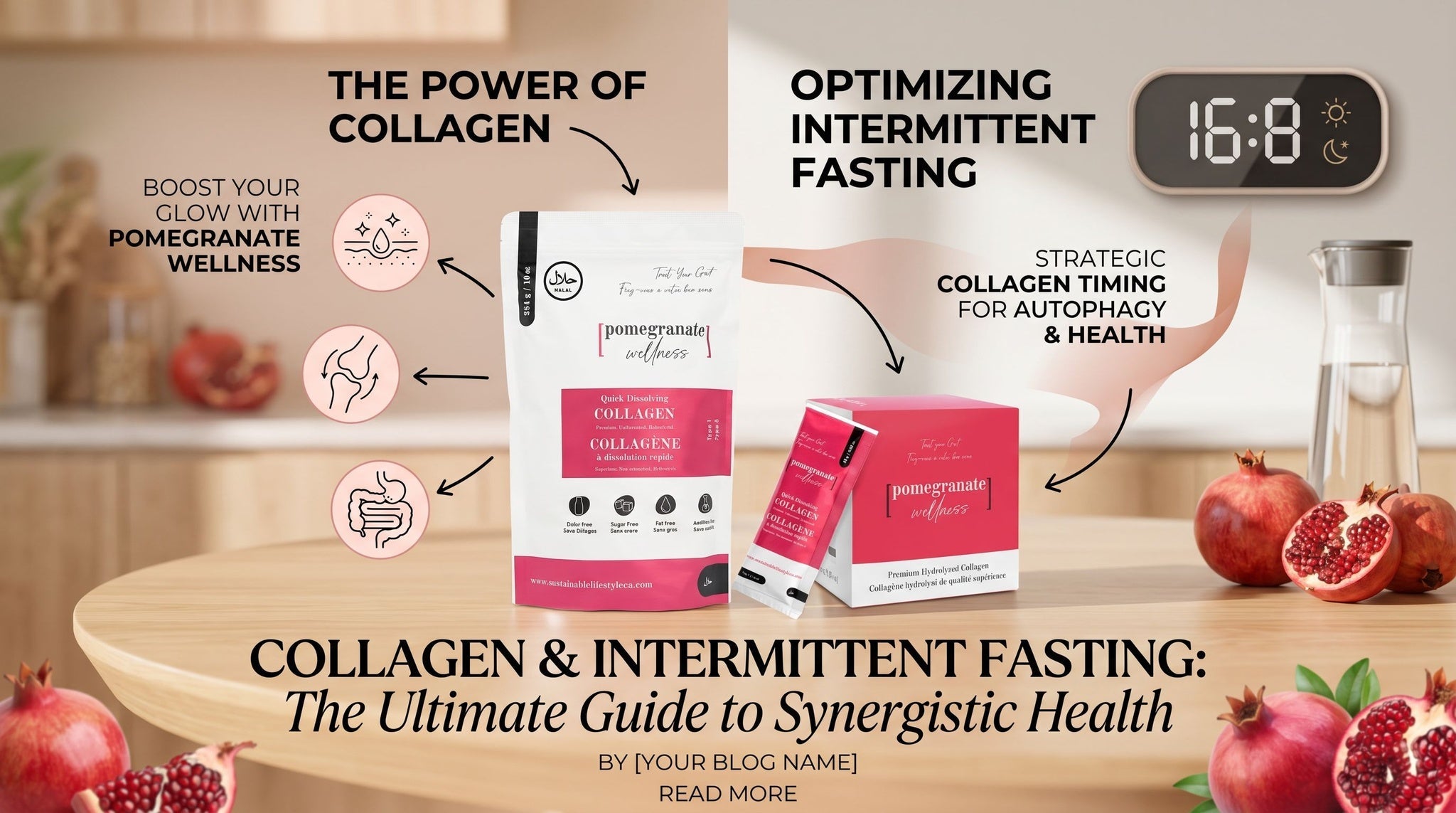
If you’re asking does collagen break fasting, the honest answer is usually yes. Collagen is a protein, and protein triggers a metabolic response. That said, the better question is not simply whether it breaks a fast, but what kind of fast you’re doing and why you’re doing it in the first place.
That distinction matters because many people are not fasting for the same reason. Some want better appetite control. Some care about blood sugar. Others are aiming for autophagy or a stricter zero-calorie fast. And for plenty of people, especially those building a realistic beauty-from-within routine, collagen is part of a daily habit that supports hair, skin, nails, joints, and protein intake. In those cases, the answer needs more nuance than a hard yes or no.
Does collagen break fasting for every goal?
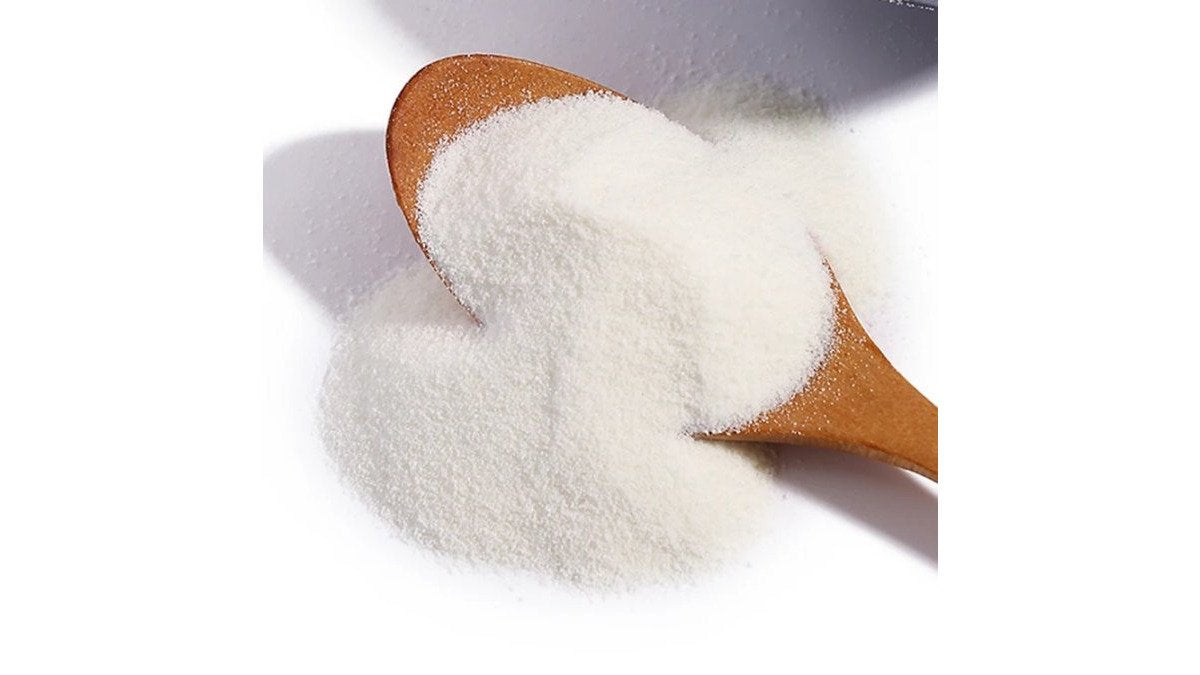
Collagen will break a strict fast because it contains calories and amino acids. If you mix collagen into coffee, tea, or water, your body does not treat it like plain water or black coffee. It recognizes it as nourishment.
But not every fasting goal is ruined by that.
If your main goal is staying in a calorie-free fast for cellular cleanup, collagen is not the right choice during the fasting window. If your goal is keeping insulin low as much as possible, collagen may still interfere less than a full meal, but it is still a protein and still counts as intake. If your goal is simply making intermittent fasting easier, reducing hunger, or spacing meals more comfortably, some people intentionally use collagen near the end of a fast because it feels light, convenient, and easier to digest than a larger breakfast.
So yes, collagen breaks a fast in the technical sense. The real issue is whether that matters for your specific reason for fasting.
Why collagen affects fasting differently than plain drinks
Water does not contain calories. Black coffee and plain tea are generally treated as fasting-friendly because they provide little to no energy. Collagen is different because it contains protein, and protein sends a message to the body that nutrients are available.
That matters because fasting is not only about avoiding meals. It is also about giving your digestive and metabolic systems a break. Once collagen comes in, that fasting state changes.
Still, collagen is not the same as a smoothie, a sweetened latte, or a full breakfast sandwich. It is usually lower in calories, contains no sugar if it is truly unflavored and clean-label, and can fit neatly into a daily wellness routine. That is why people often get confused. It feels small, but biologically it is still food.
Does collagen break fasting if you put it in coffee?
Yes. Adding collagen to coffee still breaks the fast.
Coffee itself may be fine during fasting, but once collagen powder is stirred in, the drink is no longer a fasting beverage. It becomes a protein-containing drink. The same goes for collagen in tea, lemon water, or any other beverage.
This is where product quality matters too. A clean, unflavored collagen with no sugar, dairy, gluten, fillers, or flavor systems is easier to account for because you know exactly what you are taking. A flavored collagen with sweeteners, creamers, or added ingredients can push you even further away from a true fast.
For people who care about ingredient purity and halal compliance, this is also a reminder to read labels closely. If you are using collagen as part of a disciplined wellness plan, you should know whether you are getting pure bovine collagen or a product loaded with extras that change both the fasting impact and the overall quality.
When collagen may still make sense during intermittent fasting
There is a practical side to this. Some people do better with consistency than with perfection.
If taking collagen in the morning helps you stick to a healthy routine, supports your protein intake, and keeps you from reaching for a sugary breakfast later, it may still work well within an intermittent fasting lifestyle, even if it technically ends the fasting window. That is especially true for people who are using fasting as a structure for better eating habits rather than as a strict metabolic protocol.
For example, if your eating window starts at noon but you take collagen at 11:30 because it is the easiest way to stay regular with your supplement routine, that may be a reasonable tradeoff. You are shortening the fast slightly, not abandoning your goals.
This is often the most sustainable approach for people who want visible support for hair and skin while also keeping wellness simple. Daily collagen works best when taken consistently. If waiting for the perfect fasting window causes you to skip it half the time, that is not always the better plan.
When you should avoid collagen during a fast
There are situations where the answer is much clearer.
If you are doing a strict water fast, collagen does not belong in that window. If you are fasting for autophagy, collagen is not compatible with that goal. If you want a clean fast with no calories and no protein response, take your collagen after the fast ends.
This is also true if you are using fasting to create clear boundaries around eating. Some people find that even a small serving of collagen makes them hungrier and leads to snacking. If that sounds familiar, it is smarter to save it for your first meal or drink after the fasting period.
Fasting should reduce decision fatigue, not create more of it. If collagen during the fast leaves you second-guessing yourself every morning, move it outside the fasting window and keep the routine clean.
The best time to take collagen if you fast
For most people, the best time to take collagen is when you will actually remember to take it every day. That usually means with your first meal, with coffee after your fast ends, or as part of an afternoon routine.
There is no magic hour that makes collagen suddenly more effective. Consistency matters more than timing. A high-quality collagen powder can be mixed into hot or cold drinks, which makes it easy to use once your fasting window is over.
If you are fasting and your top priorities are skin support, hair health, and daily nutritional consistency, the simplest move is to break your fast first and then take your collagen. That keeps your fasting rules clear while letting you stay consistent with your supplement habit.
A cleaner collagen makes tracking easier
One reason people get tripped up on fasting is that many wellness products look simple but are not. Flavors, sweeteners, thickeners, creamers, and filler ingredients can make a product more confusing than it needs to be.
A clean-label collagen is easier to work into your routine because you know what it contains and what it does not. That matters whether you are watching calories, avoiding sugar, checking halal status, or trying to stay aligned with a faith-conscious wellness routine.
For Muslim consumers especially, collagen is not just about beauty benefits. It is also about sourcing, integrity, and trust. A halal-certified bovine collagen gives peace of mind that the product fits both health goals and religious values. That kind of clarity matters when you are trying to build a routine you can actually maintain.
So, does collagen break fasting?
Yes, in most cases it does. Collagen contains protein and calories, so it breaks a strict fast.
But that does not automatically make it a bad choice. It means you should match your collagen timing to your actual goal. If your goal is a pure fast, wait until your eating window starts. If your goal is a more practical, sustainable wellness routine, collagen can still fit beautifully into your day without causing the kind of damage people sometimes fear.
The smartest routine is the one you can follow with confidence. If fasting matters to you, keep the rules clear. If collagen matters to you, take it consistently. And if both matter, the easiest answer is usually the best one - save your collagen for when your fast is done and let your routine work with your life, not against it.