Cart
0

Halal Beauty & Wellness: The New Standard for Pure, Ethical Living
The beauty industry is in the midst of a revolution. We have seen the rise of "Clean Beauty," "Green Beauty," and "Cruelty-Free Beauty." But now, a new standard is capturing the attention of consumers worldwide—not just for religious reasons, but for its rigorous commitment to purity and ethics. It is called Halal Beauty.
For years, Halal was a term associated almost exclusively with food. It guided Muslim consumers on what was permissible to eat. Today, that concept has expanded into a holistic lifestyle movement that touches everything from the lipstick you wear to the vitamins you take.
But what exactly is Halal beauty? Is it just for Muslims? And how does it differ from the vegan or organic products already lining the shelves?
In this guide, we will demystify Halal wellness and explore why this ancient code of ethics is fast becoming the ultimate benchmark for modern, conscious living.
The Definition: More Than Just a Label
At its simplest level, Halal is an Arabic word meaning "permissible." In the context of beauty and wellness, a product is considered Halal if it is manufactured, produced, and composed of ingredients that are permissible under Islamic law (Sharia).
Conversely, Haram means "forbidden." In beauty products, the main forbidden elements are:
- Alcohol: specifically ethanol or intoxicating alcohols.
- Animal Derivatives: ingredients derived from pigs (porcine) or other animals that were not slaughtered according to Islamic rituals.
- Harmful Ingredients: substances known to cause harm to the human body (toxic chemicals like mercury or hydroquinone).
For a product to be certified Halal, it must pass a strict audit that traces every single ingredient back to its source, ensuring no cross-contamination occurred during manufacturing.
The Core Pillars of Halal Wellness
Halal beauty isn't just about what is not in the bottle; it is about the philosophy behind the brand. It rests on three main pillars that appeal to ethical consumers of all backgrounds.
1. Purity and Hygiene (Toyyiban)
The concept of Toyyiban—meaning wholesome, pure, and good—is inseparable from Halal. A product cannot be Halal if it is filthy or harmful.
- The Benefit: This requirement mandates exceptionally high standards of hygiene in manufacturing facilities. It minimizes the risk of bacterial contamination and ensures that the raw ingredients are of high quality. For the consumer, this translates to safer, cleaner products.
2. Ethical Treatment of Animals
While Halal is not strictly synonymous with "vegan," there is a massive overlap.
- Cruelty-Free: Halal principles strictly forbid the abuse of animals. Ingredients cannot be derived from animals that have suffered.
- The Pork Prohibition: Many conventional cosmetics use collagen, glycerin, or gelatin derived from pigs. Halal certification guarantees their absence.
- The Rise of Vegan-Halal: Because sourcing Halal-certified animal by-products can be complex, many Halal beauty brands opt to be 100% vegan to ensure compliance. This makes them a safe haven for vegan consumers who want extra assurance against hidden animal fats.
3. Permeability (Wudu-Friendly)
For Muslim consumers, water must touch the skin during ritual ablution (Wudu) before prayer.
- Breathable Formulas: This requirement has driven innovation in "breathable" nail polishes and makeup. Unlike traditional lacquers that create an impermeable plastic-like shield, breathable polishes allow water and oxygen to pass through to the nail bed.
- Healthier Nails: This technology is a game-changer for everyone, not just Muslims. It prevents nails from becoming yellow, brittle, and suffocated under layers of polish, promoting better nail health.
Why Non-Muslims Are Switching to Halal
The global Halal cosmetics market is projected to reach over $50 billion by 2025, and a significant portion of that growth is driven by non-Muslims. Why? Because the values of Halal align perfectly with the modern "conscious consumer" wishlist.
The "Free-From" Assurance
In an industry notorious for "greenwashing" (making false eco-friendly claims), Halal certification offers a level of trust that is hard to beat.
- Alcohol-Free Skincare: Many people with sensitive skin, rosacea, or eczema avoid alcohol because it strips the skin of natural oils. Halal skincare is naturally alcohol-free, making it gentler and more hydrating.
- Transparency: You don't have to guess if that "stearic acid" came from a plant or a pig. The certification does the homework for you.
Safety First
Halal standards prohibit ingredients that are harmful to human health. This acts as a safety net against toxic additives, heavy metals, and carcinogens that sometimes slip into unregulated cosmetics. It is "Clean Beauty" with a verified paper trail.
Common Ingredients to Watch Out For
If you are looking to "Halal-ify" your beauty routine, here are the common offenders found in conventional products:
- Carmine: A bright red pigment made from crushed cochineal beetles. Found in: Lipsticks and blushes. (Haram due to insect origin).
- Keratin & Collagen: Often derived from hooves, hair, or skin of pigs or non-Halal cattle. Found in: Shampoos and anti-aging creams.
- Glycerin: A moisturizing agent that can be derived from animal fat (tallow) or plants. Unless specified "vegetable glycerin," it is often animal-based.
- Ethanol: Used as a solvent or preservative. Found in: Toners, perfumes, and setting sprays.
Conclusion: A Universal Approach to Beauty
Halal beauty and wellness is more than a niche market for a specific religious group. It is a philosophy that champions transparency, ethics, and purity.
In a world where we are increasingly concerned about what we put in and on our bodies, Halal offers a rigorous, third-party validation that aligns with the values of health, sustainability, and compassion. Whether you choose it for faith or for its quality, Halal beauty represents a step toward a more mindful and honest way of living.
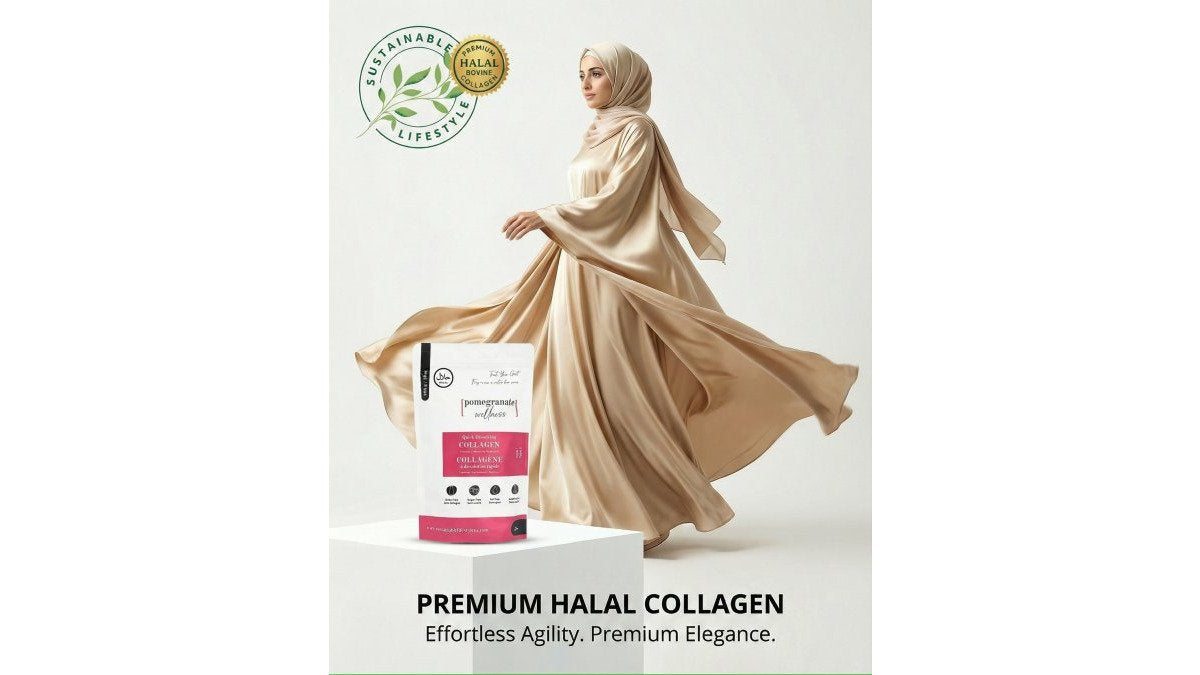
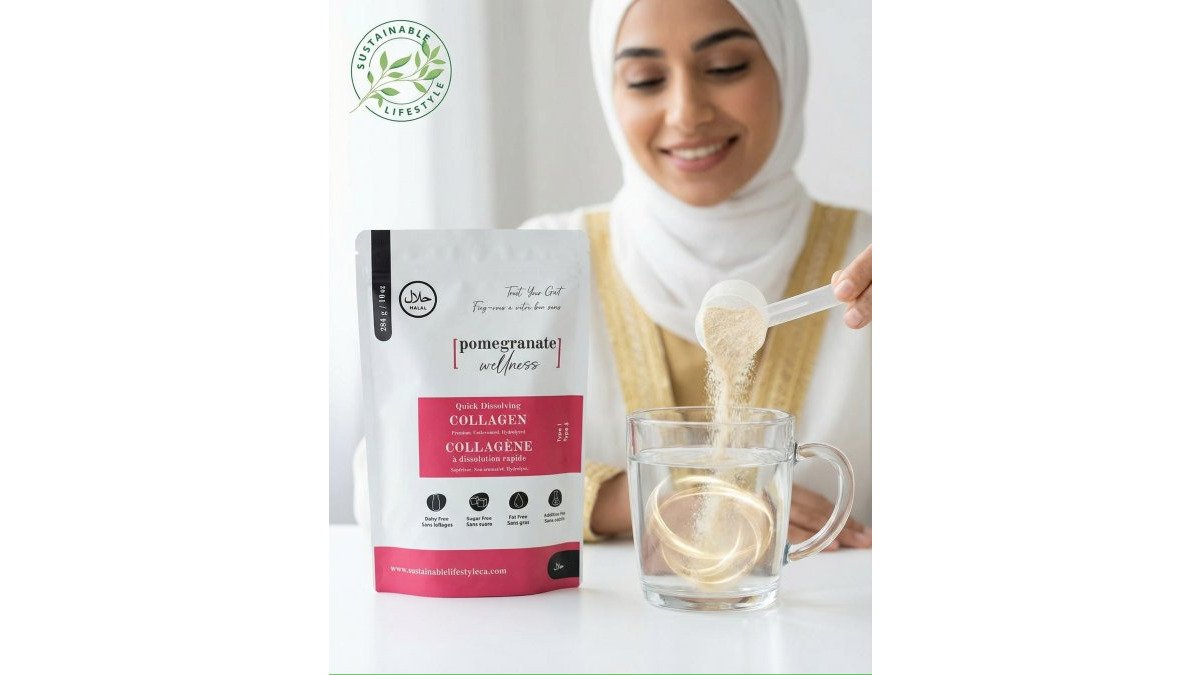
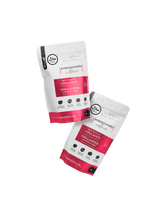
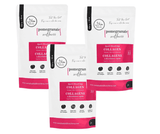
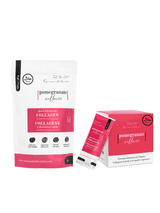
This halal collagen is available online with fast shipping across Canada, including Manitoba, with shipping to Winnipeg and other cities.