Cart
0
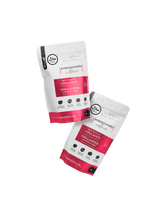
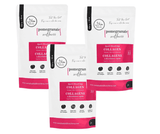
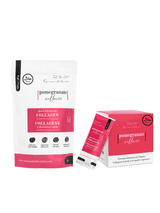

Navigating the Canadian supplement market requires a keen eye for certification and a commitment to purity.
Halal Collagen in Canada: The Ultimate Guide for Muslim Wellness
For Canadian Muslims, walking down the supplement aisle of a Shoppers Drug Mart or browsing Amazon.ca can be an exercise in frustration. You see shelf after shelf of collagen powders promising glowing skin and pain-free joints, but for the conscious believer, one question looms larger than the benefits: Is it Halal?
In a market dominated by unspecified "bovine" sources and vague labeling, finding true Halal collagen in Canada is harder than it should be. With pork gelatin being a common industry standard and "kosher" labels often causing confusion, Canadian Muslims are often left guessing.
This guide is designed to end that confusion. Whether you are in Mississauga, Montreal, or Vancouver, we will walk you through exactly how to navigate the Canadian collagen market, verify certifications, and choose a product that aligns with both your health goals and your faith.
The Canadian Context: Why It's Tricky
Canada has strict food labeling laws, but religious certification is voluntary. This creates a grey area for Muslim consumers.
The "Bovine" Ambiguity
Most collagen in Canada is labeled as "Bovine" (cow) or "Marine" (fish).
- The Trap: Just because it says "Bovine" doesn't mean it's Halal. If the cow was not slaughtered according to Zhabihah (Islamic rites), the collagen extracted from its hide or bones is considered Haram (impermissible) by the majority of scholars.
- The "Kosher" Confusion: Many Canadian products carry a "COR" or "MK" Kosher symbol. While some Muslims accept Kosher meat, many Kosher gelatin products are derived from fish or bovine sources that may not meet strict Halal slaughter requirements. For total peace of mind, a specific Halal certification is the gold standard.
Pro Tip: If a brand claims to be Halal but doesn't display a logo, ask for their certificate. A reputable company will email you a copy of their valid, unexpired Halal certificate immediately. If they hesitate, that is a red flag.
The 4-Step Checklist for Canadian Shoppers
Before you click "Add to Cart" or tap your card, run the product through this 4-point purity check.
1. Identify the Source
- Marine (Fish) Collagen: Generally the safest bet if uncertified, as fish is Halal by nature (according to most schools of thought), provided no alcohol was used in extraction. However, check for "shellfish" if you have allergies or follow a Madhab that restricts shellfish.
- Bovine (Cow) Collagen: MUST have a Halal certificate. Do not assume "Grass-Fed" means Halal.
- Porcine (Pig) Collagen: Always Haram. Watch out for vague terms like "Hydrolyzed Gelatin" without a specified source—this is often pig-based.
2. Check the "Other Ingredients"
Collagen powders are often flavored. This is where hidden Haram ingredients lurk.
- Natural Flavors: Can be extracted using alcohol (ethanol). Halal-certified products ensure the alcohol is either non-existent or below the permissible trace limit (less than 0.1% or 0.5% depending on the certifier).
- Capsules: If you buy collagen pills, check the capsule shell. Vegetable cellulose is safe; "Gelatin" capsules are usually non-Halal bovine or pork unless specified.
4. Support Local Halal Businesses
The Canadian Halal ecosystem is growing. Supporting Canadian brands that invest in Halal certification helps the entire community. It encourages more mainstream manufacturers to realize the value of the Muslim dollar ("The Green Dollar").
Why Collagen Matters Specifically for Muslims
Beyond the general benefits, collagen holds specific value for the Muslim lifestyle.
- Sunnah of Strength: Islam places high value on physical strength and vitality. As we age, maintaining joint mobility for Salah (prayer)—being able to perform Sujood and Ruku without pain—is a significant motivation for joint health. Collagen supports the cartilage and tendons needed for this mobility.
- Fasting (Ramadan): During long Canadian fasts (which can still be 15+ hours in summer), hydration and protein are key. Collagen is a dense protein source that helps retain hydration in the skin and keeps you satiated during Suhoor (pre-dawn meal).
Top Questions from Canadian Muslims
Q: Can I just buy "Vegan" collagen?
A: There is technically no such thing as "vegan collagen" yet. Plants don't make collagen. "Vegan collagen builders" are just mixes of vitamins (C, Zinc) that help you make collagen. They are Halal, but they are not actual collagen. If you want the direct intake of peptides, you need an animal source.
Q: Is collagen from Costco Halal?
A: Most generic collagen brands at big-box stores like Costco Canada (e.g., Organika or Webber Naturals) use bovine or marine sources. The marine collagen (derived from fish is halal) but the bovine collagen is NOT Halal certified, but check each specific bottle as formulations change.
Q: What about ordering from the US?
A: Be careful. US labeling laws are different. A product labeled "beef collagen" in the US might not meet the strict import requirements for Canadian Halal standards. Plus, shipping supplements across the border can lead to customs seizures if they lack bilingual labeling or NPNs. Stick to Canadian-compliant brands to be safe.
Conclusion: Don't Compromise
Living in Canada doesn't mean you have to compromise on your faith to get high-quality health products. The market has evolved. We now have access to premium, grass-fed, ethically sourced, and fully Halal-certified collagen right here at home.
By being a vigilant consumer—checking for the logo, verifying the NPN, and understanding the source—you are not just protecting your body; you are upholding the standard of Toyyib in your life.
Your health is an Amanah (trust). Treat it with the best, purest fuel available.