Chariot
0
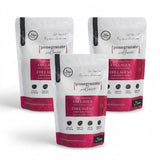

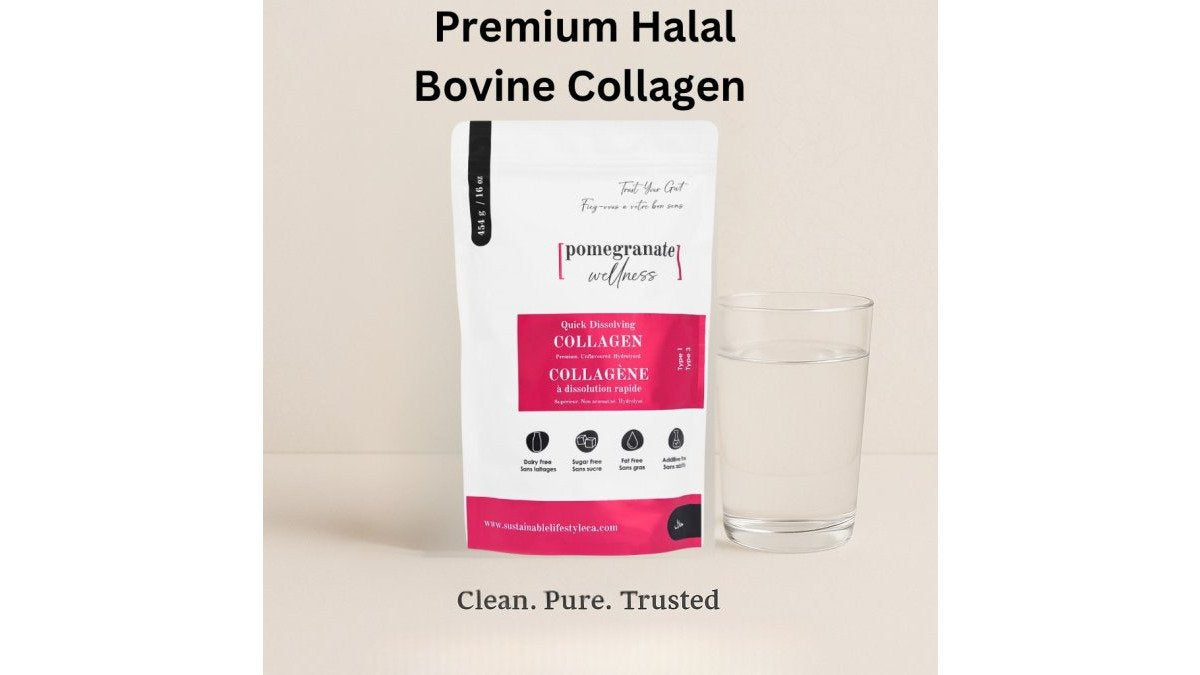
Quick Summary
Halal collagen may support skin, hair, nails and joints in modest ways, but the evidence is inconclusive. The research covers collagen peptides in general, since halal certification does not change the peptide chemistry. Choose a Halal-certified product with a single ingredient and verify the certifier before buying.
- Halal certification covers animal sourcing and slaughter, not the peptide content of the powder.
- Clinical trials usually run 8 to 24 weeks and many are small or manufacturer-funded.
- Effects are subtle: modest changes in skin hydration and some reported joint pain relief.
- Verify the named certifying body, certificate number and that it covers the exact product size.
- Anyone pregnant, nursing, on medication or with a medical condition should consult a professional first.
Is halal collagen right for your routine?Sustainable Lifestyle offers unflavoured, Halal-certified bovine collagen powder in several sizes.
Shop Halal Collagen
Table of Contents
- What Halal Collagen Is and How It Is Sourced
- Bovine Versus Marine Collagen: Pros and Cons
- What the Evidence Says About Skin, Hair, Nails, and Joints
- How Long Does Collagen Take to Work?
- How to Verify Halal Collagen Certification
- What Customers Report in Halal Collagen Reviews
- Choosing Your Halal Collagen Size and Starting Your Routine
- Frequently Asked Questions
Last Updated: November 14, 2026
Does halal collagen actually work? For most people, the honest answer is that it may support skin, hair, nails and joints in modest ways, but the evidence is far from conclusive. This review from Sustainable Lifestyle looks at what collagen is, how halal sourcing works, what the research does and does not show, and how to choose a product sensibly. Shoppers in Canada who want a Halal-certified, unflavoured option can compare the sizes and bundles below and decide what suits their routine.
What Halal Collagen Is and How It Is Sourced
Collagen is the most abundant structural protein in the body, found in skin, tendons, cartilage and bone. Collagen supplements are usually made by hydrolyzing animal tissue into smaller peptides that dissolve easily in liquids. Bovine collagen comes from cattle hides and connective tissue, and marine collagen comes from fish skin and scales.
Halal collagen is sourced from animals slaughtered according to Islamic guidelines. Shoppers should look for a clear Halal-certified statement on the label rather than relying on the word "halal" alone.
Sustainable Lifestyle's bovine products are described as sourced from 100% grass-fed, pasture-raised cattle and certified Zabiha Halal. The unflavoured powders list a single ingredient: 100% hydrolyzed bovine collagen peptides.
Bovine Versus Marine Collagen: Pros and Cons
Bovine and marine collagen differ mainly in source, peptide profile and suitability for different diets.
Bovine collagen
- Pros: Provides Type I and Type III peptides, the types most associated with skin and connective tissue. Can be certified Halal.
- Cons: Not suitable for people avoiding beef or following certain dietary restrictions.
Marine collagen
- Pros: Often marketed for skin, mainly Type I. Suits pescatarians.
- Cons: Not suitable for people with fish or shellfish allergies. Halal status depends on the certifying body and is not automatically guaranteed.
Neither type is inherently better. The right choice depends on dietary rules, allergies and personal preference.
What the Evidence Says About Skin, Hair, Nails, and Joints
The short answer to whether halal collagen works is that the evidence is for collagen peptides in general, not for halal collagen specifically. Halal certification speaks to how the animal was slaughtered and how the product is handled; it does not change the peptide chemistry. So the useful question is whether hydrolyzed collagen peptides, from a certified source, do what the label implies.
What clinical trials can establish. Randomized controlled trials can show whether a supplement produces a measurable change compared with a placebo over a defined period. For collagen, the most commonly studied outcomes are skin hydration, skin elasticity, fine lines, nail growth and brittleness, and joint pain during activity.
What they cannot establish. Most trials are short relative to the timescale of skin and joint aging, many are small, and a meaningful share are funded or supplied by manufacturers. That does not make the results invalid, but it means a single positive trial is weak evidence on its own. Publication bias, inconsistent doses, and different peptide profiles between products also make it hard to generalize from one brand to another.
Realistic effect sizes by outcome.
- Skin hydration and elasticity: Several trials report small to moderate improvements over 8 to 12 weeks, often in the range of a few percentage points on instrument measures. Participants sometimes report smoother-feeling skin, but the changes are subtle and not comparable to prescription retinoids or in-office treatments.
- Fine lines and wrinkles: Some trials report modest reductions in wrinkle depth or visibility. Effects are gradual and typically assessed after 12 weeks or more.
- Hair and nails: Evidence is thinner. A small number of trials suggest improved nail growth or reduced brittleness over several months. Hair benefits are largely anecdotal; collagen is not a treatment for hair loss, and anyone with thinning hair should be assessed for iron, thyroid and other causes first.
- Joints: Some trials in people with activity-related knee discomfort report reduced pain scores over 12 to 24 weeks. Effects are modest and vary between studies. Collagen is not a substitute for physiotherapy, weight management or medical care for osteoarthritis.
Why halal-specific evidence is scarce. No large trial has compared halal-certified collagen head-to-head against non-certified collagen on health outcomes, and there is no biological reason to expect a difference if the peptide content is equivalent. The meaningful differences between products are dose, peptide profile, added ingredients and verification of the source, not the certification itself.
How to judge a study you see cited. Look for the number of participants, the duration, whether it was randomized and placebo-controlled, whether the outcome was measured objectively or self-reported, and who funded it. A trial with 40 participants over 8 weeks funded by the manufacturer is a signal, not proof. A systematic review or meta-analysis that pools several trials is stronger, but it is only as good as the trials it includes.
Watch out: marketing pages often cite a single small study as if it settled the question. If a claim rests on one trial with fewer than 100 participants, treat it as preliminary.
For general nutrition guidance, Health Canada's food and nutrition pages at canada.ca are a reasonable starting point, and anyone with a medical condition, who is pregnant or nursing, or who takes prescription medication should speak with a doctor or pharmacist before starting a supplement.
How Long Does Collagen Take to Work?
Most people who try collagen notice changes, if any, after several weeks of consistent daily use rather than within days. Sustainable Lifestyle's starter pouch is designed around a 28-day routine. Results vary between people, so treat any timeline as something to test, not a guarantee.
Consistency matters more than dose timing. Stirring one level tablespoon (about 10g) into a drink once a day is the typical routine described on the product pages.
How to Verify Halal Collagen Certification
A Halal-certified logo is a starting point, not the whole answer. Certification covers the animal source and slaughter method, but a finished powder can still fail a careful buyer's checklist if processing aids, shared equipment or added ingredients are not addressed.
1. Identify the certifying body by name. Look for a named certification body and a certificate reference or logo on the label or product page. A generic 'halal' word without a certifier is not verification.
2. Confirm the animal source and slaughter method. Bovine collagen should state that it comes from cattle slaughtered according to Zabiha requirements, meaning the animal was alive at the time of slaughter, the slaughter was performed by a Muslim, and the name of God was invoked.
3. Check the ingredient list for processing aids and additives. Hydrolyzed collagen peptides are usually the only ingredient in an unflavored powder, which is the simplest case to verify.
4. Ask about cross-contamination controls. A certified collagen produced on a line shared with non-halal gelatin or porcine products needs documented cleaning and segregation procedures. Ask the seller whether the product is produced on a dedicated line or under a documented allergen and halal segregation program.
5. Confirm the certificate is current. Certificates have expiry dates and scope statements. Check that the certificate covers the specific product and size you are buying, not just the brand's facility in general.
6. Keep a record. Save the certifier name, certificate number and date you checked. If a question comes up later, you have the details on hand.
Watch out: a certificate for one product does not automatically cover every size or flavor in a brand's range. Verify the exact item you are buying.
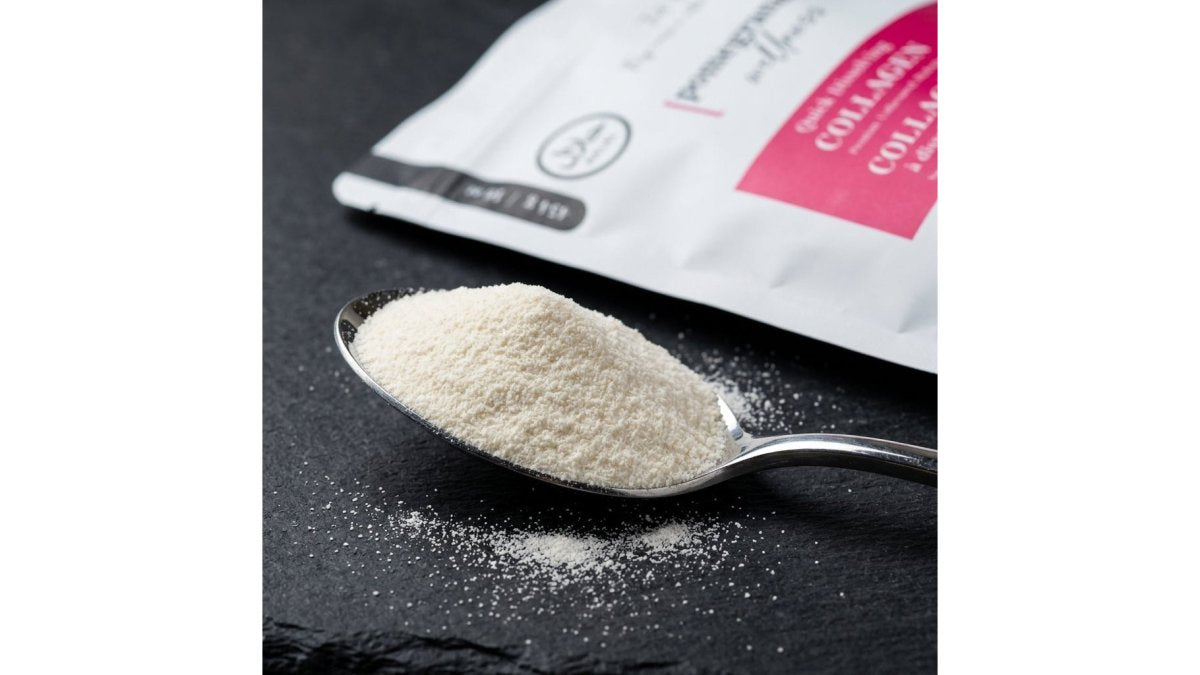
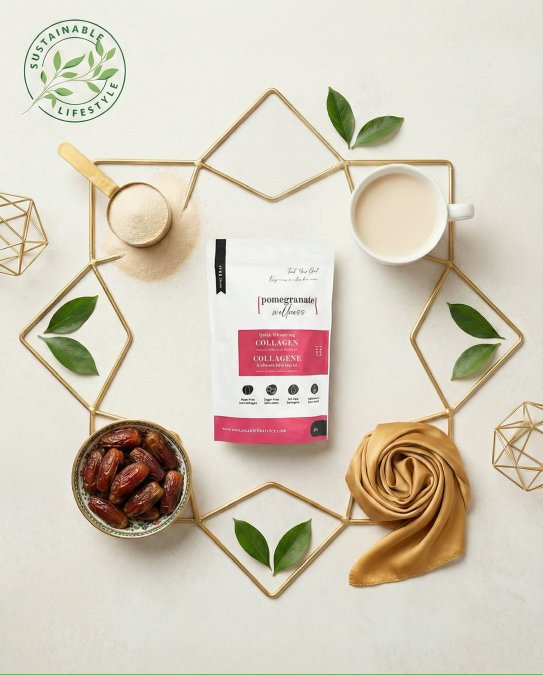
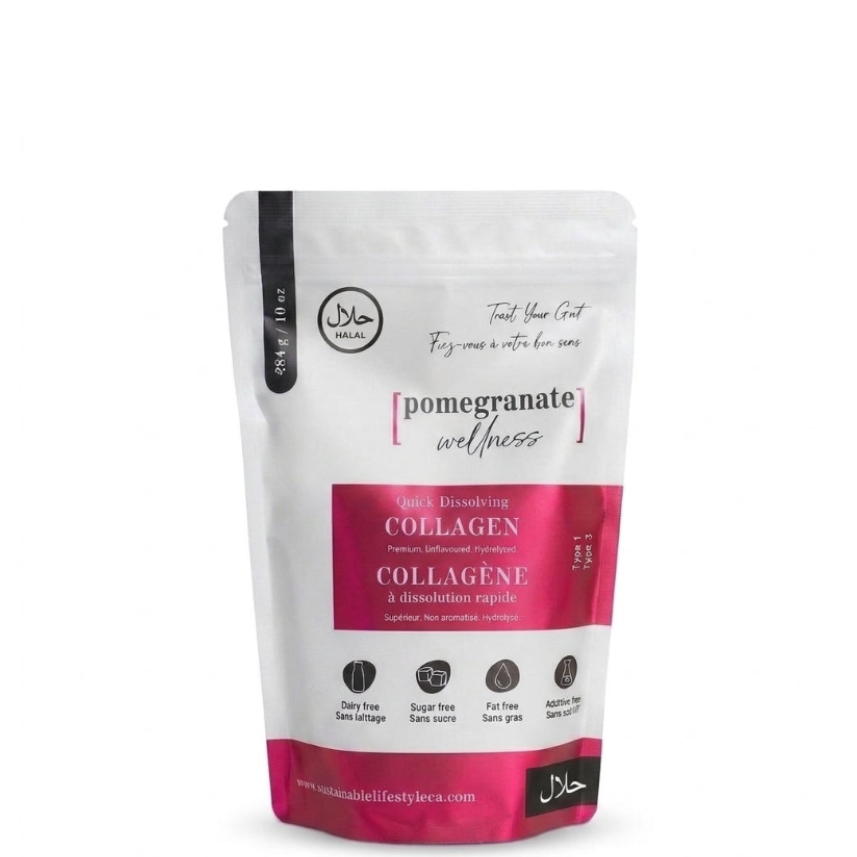
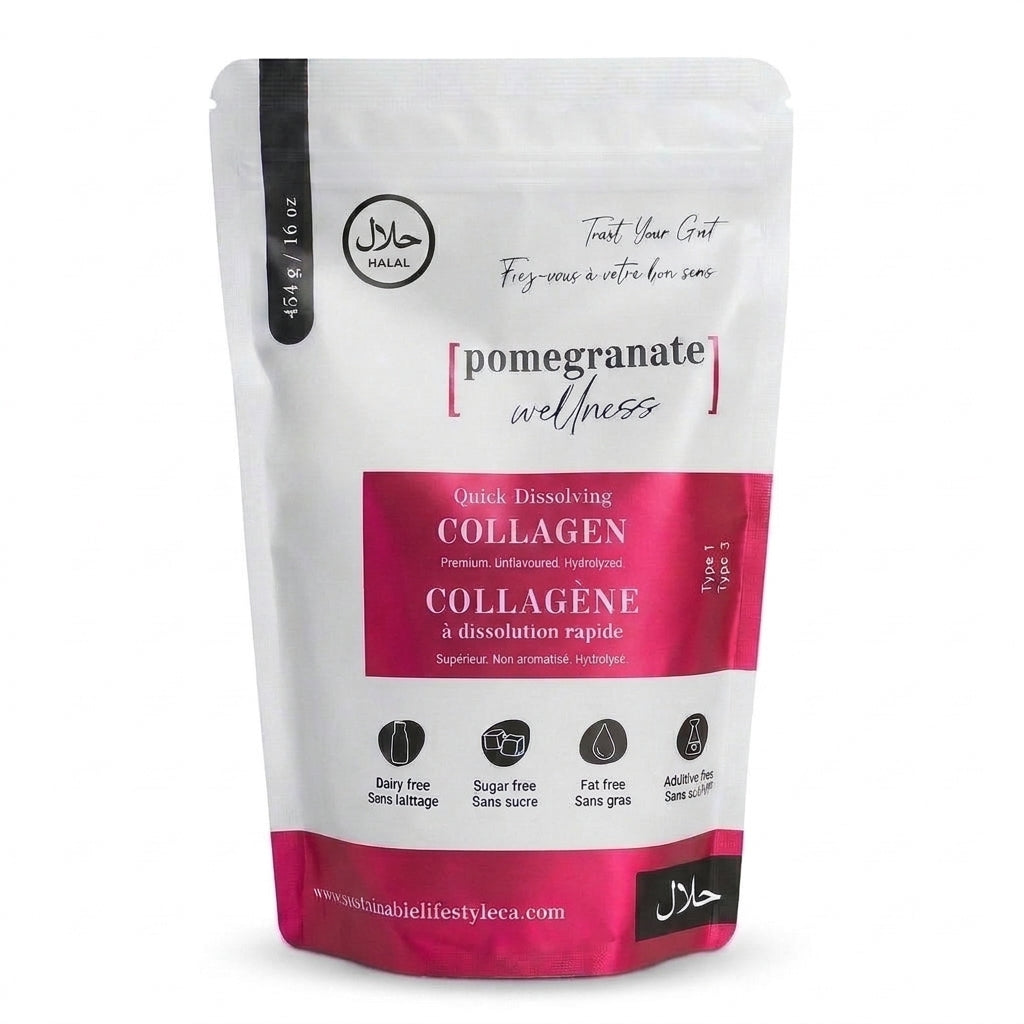
Pomegranate Wellness's bovine collagen is Halal-certified, sourced from hand-slaughtered Zabiha cattle, and sold as a completely unflavored, odorless powder with a single ingredient: hydrolyzed bovine collagen peptides. It dissolves instantly into any hot or cold beverage without changing the taste, which keeps the ingredient list simple to verify.
What Customers Report in Halal Collagen Reviews
Sustainable Lifestyle reports being trusted by more than 3,000 Muslims in Canada. The unflavoured powder is designed to blend into coffee or tea without changing the taste, which suits people who want a supplement that fits into an existing habit.
Reviews are a useful signal, but they cannot confirm health outcomes. Weigh them alongside the label and the research above.
Choosing Your Halal Collagen Size and Starting Your Routine
Sustainable Lifestyle lists several sizes, so the right one depends on how long you plan to use it:
| Product | Size | Servings | Price (CAD) | Best For |
|---|---|---|---|---|
| Starter Pouch | 10oz (284g) | 28 | $39.99 | Trying it for a month |
| Value Upgrade Pouch | 16oz (454g) | 45 | $59.99 | Single user, longer routine |
| Twin Pack (2 x 16oz) | 32oz (908g) | About 90 | $112.99 | Ongoing daily use |
| Duo (2 x 10oz) | 20oz (568g) | 56 | $75.99 | Nearly two months |
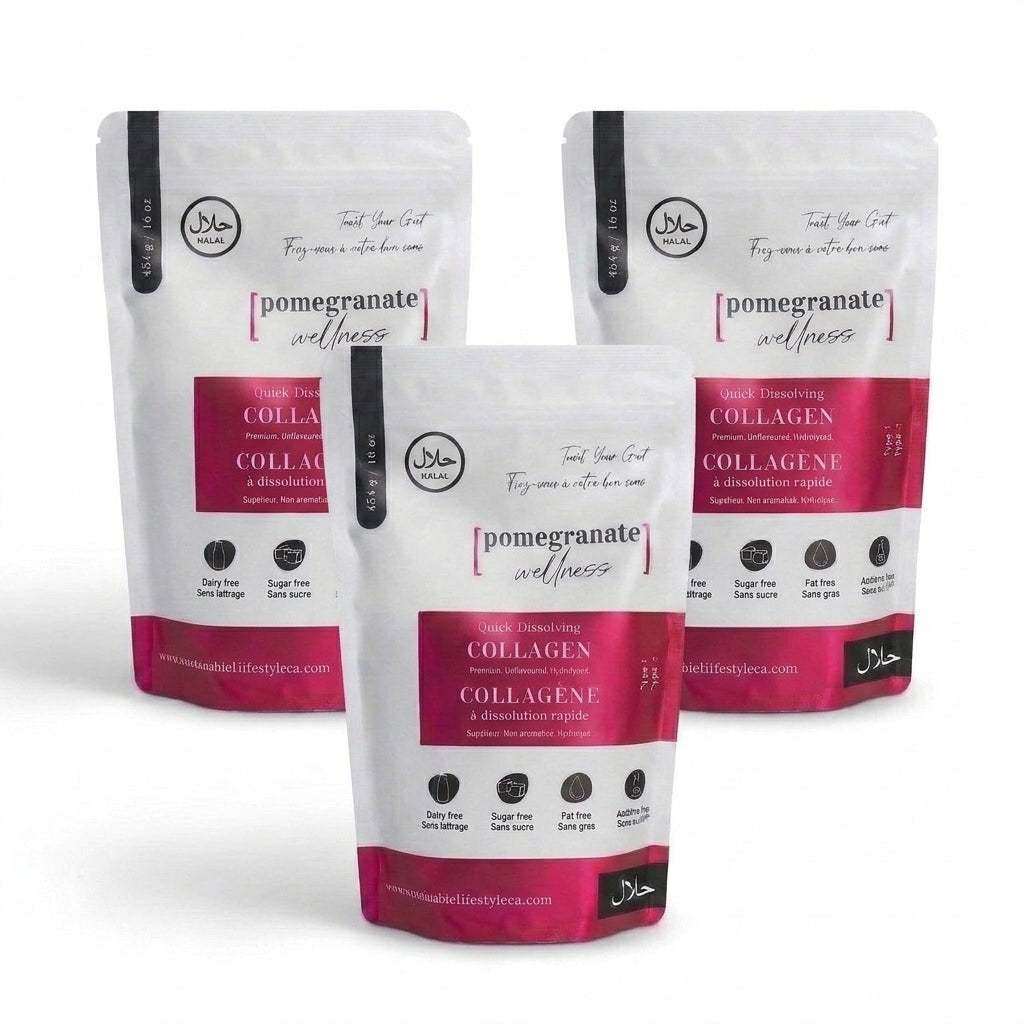
| Family Value Pack (3 x 16oz) | 48oz (1,362g) | 135 | $169.99 | Households and long-term use |
Servings
Starter Pouch 28
Value Upgrade Pouch 45
Twin Pack (2 x 16oz) About 90
Duo (2 x 10oz) 56
Family Value Pack (3 x 16oz) 135
If you are new to collagen, the 10oz Starter Pouch is the lowest-commitment way to test your routine. For the unflavoured powder in the 16oz size, which gives about 45 servings, stir one level tablespoon into a hot or cold drink each day. The Halal Bovine Collagen Peptides Powder Starter Pouch is the place to begin if you want a small trial. Prices are in Canadian dollars.
Shoppers who want to check availability or see where the product is sold can visit the stockists page for our Premium Halal Bovine Collagen. Readers who want a value option can compare the 16oz Value Upgrade Pouch, and those planning longer use can look at the Family Value Pack.
Anyone with a medical condition, or who is pregnant or nursing, should check with a healthcare professional before starting. Statements about dietary supplements have not been evaluated by regulatory health authorities and are not intended to diagnose, treat, cure or prevent any disease.
Choosing a halal collagen powder comes down to certification you can verify, a source that fits your diet, and a size that matches how long you plan to use it. Sustainable Lifestyle's unflavoured Halal-certified bovine collagen is one option to consider, and the sizes above let you start small. Explore the range and pick the pouch that fits your routine.
Frequently Asked Questions
Does halal collagen work for skin, hair, and joints?
Some clinical studies on hydrolyzed collagen report modest improvements in skin elasticity and hydration, and a few report benefits for joint comfort. Evidence for hair and nails is thinner and mostly small or industry-funded. Halal status does not change the amino acid profile of bovine collagen, so a Halal-certified product is expected to perform similarly to a non-certified one of the same type and dose. Results vary between people, and no supplement replaces medical care for joint pain or hair loss.
How long does collagen take to show results?
Most studies that report skin changes measured results after 8 to 12 weeks of daily use, so a four-week trial is usually too short to judge. Hair and nail changes take even longer to appear because growth is slow. If you use Sustainable Lifestyle's 10oz Starter Pouch, which provides a 28-day supply at one tablespoon (about 10g) daily, plan to continue past the first pouch before deciding whether it works for you.
Is halal collagen as effective as regular collagen?
Halal collagen is made from the same kind of hydrolyzed peptides as regular bovine collagen. The difference is how the animal was slaughtered and certified, not the nutritional composition. Effectiveness depends on the type and dose of peptides, not on the certification. When comparing products, check the Type I and Type III peptide content and the daily protein per serving, which for Sustainable Lifestyle's pouches is 9g per 10g serving.
What does Halal-certified collagen mean?
Halal-certified collagen means a certifying body has verified that the raw material comes from animals slaughtered according to Islamic requirements. Sustainable Lifestyle's products are sourced from pasture-raised, grass-fed cattle and labelled Zabiha Halal. Ask for the certifier's name and check that it appears on the label or product page.