Chariot
0


Last Updated: November 9, 2026
Quick Summary
Collagen powder for halal meal prep works best when it is completely unflavoured and odourless, so it blends into soups, oats, coffee and smoothies without changing their taste. Choose halal-certified bovine collagen, measure about 10g per portion, and add it once the dish is off the heat. Treat it as an addition to complete protein sources rather than a replacement.
- Measure about 10g per portion, roughly one level household tablespoon.
- Stir the powder into the liquid before adding solids to prevent clumping in cold prep.
- Add collagen off the heat, since stirring into a rolling boil can cause uneven settling.
- Collagen is not a complete protein, so pair each portion with eggs, dairy, fish or legumes.
Table of Contents
- Why Halal Meal Prep Needs a Collagen Powder That Fits Your Routine
- Halal-Certified Bovine Collagen Benefits for Everyday Meals
- Zabiha Collagen Certification Standards and How to Verify Them
- How to Use Unflavoured Collagen Powder in Batch-Cooked Meals
- Mixing Collagen Powder Into Hot and Cold Meal Prep Without Clumping
- Storage, Food Safety and Halal Kitchen Handling for Prepped Meals
- Choosing the Right Halal Collagen Size for Your Weekly Prep Plan
- Frequently Asked Questions
Why Halal Meal Prep Needs a Collagen Powder That Fits Your Routine
Collagen powder for halal meal prep works best when it blends into the foods you already batch cook, without changing their taste or texture. Halal-certified bovine collagen works best when it is a completely unflavoured, odourless powder that stirs into hot or cold beverages and food alike. For Muslim households in Canada planning meals for the week, the question is less about whether to add collagen and more about which format fits a busy prep schedule.
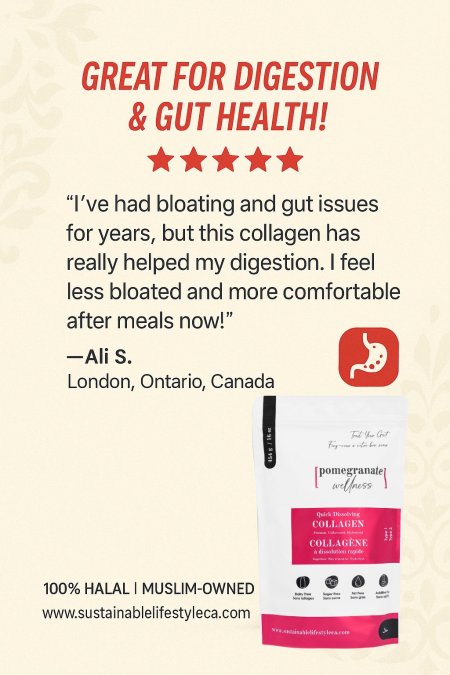
Many people who cook in bulk want a supplement that does not compete with their seasonings. A powder that dissolves cleanly and carries no flavour can go into oatmeal, soups, coffee and smoothies on different days without anyone noticing. This matters when a household eats the same prepared meals across several days, because a flavoured product can quickly become tiresome.
Routine matters as much as taste. Pick a serving you can measure the same way every time, keep the container near your prep station, and store it with the other dry goods you use for breakfast. Consistency is easier when the supplement is a fixture of the kitchen rather than a separate task.
Halal-Certified Bovine Collagen Benefits for Everyday Meals
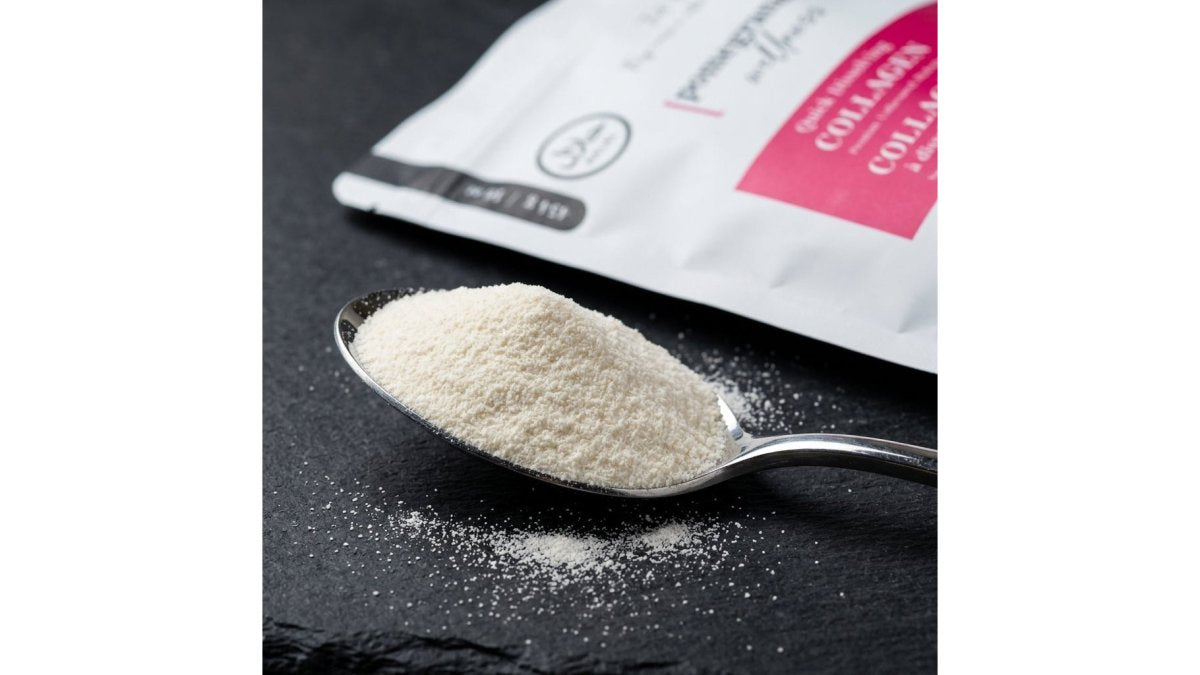
Bovine collagen is a protein, and the reason it suits meal prep is structural rather than cosmetic. Hydrolyzed collagen peptides are short chains of amino acids, primarily glycine, proline, and hydroxyproline, that dissolve readily in water-based foods. That is the mechanism behind the clean dissolve: the peptides are small enough to disperse in liquid instead of sitting on top of it as grit. In a batch-cooked dish, that means the powder disappears into the matrix of the food rather than changing its mouthfeel.
Consistent daily intake over several weeks is what the discussed benefits generally depend on, which is one reason a measured serving built into food you already eat can be easier to repeat than a separate supplement ritual.
Here is the part competitors tend to skip. Collagen is not a complete protein. It does not supply a complete essential amino acid profile on its own, so it should not replace the chicken, fish, eggs, lentils, or dairy in your weekly menu. The practical rule for meal prep is to treat collagen as an addition to a protein-complete meal, not a substitute for one. A breakfast of oats with 10g of collagen still needs milk, yogurt, or eggs alongside it to count as a protein anchor. A soup with 10g of collagen still needs its chickpeas or beef.
Within that frame, the everyday-meal advantages include:
- It adds protein without adding flavor. Because the powder is completely unflavored and odorless, it can go into a savory stew on Monday and a smoothie on Tuesday without either dish tasting like a supplement.
- It does not compete with seasonings. Spiced dishes, acidic tomato bases, and heavily herbed marinades all mask flavors, an unflavored powder sidesteps that problem entirely.
- It fits Halal-certified sourcing. The bovine collagen is sourced from pasture-raised, grass-fed cattle and is Halal-certified.
- It dissolves in hot or cold preparations. That flexibility is what lets one product serve breakfast, drinks, and savory mains across a seven-day plan.
Results vary between individuals, and collagen is one component of a balanced diet rather than a standalone solution. The realistic expectation for meal prep is consistency: a measured serving in food you already batch cook, paired with complete protein sources, repeated across the week.
Zabiha Collagen Certification Standards and How to Verify Them
Zabiha refers to meat from animals slaughtered by hand according to Islamic law. When you shop for collagen, the certification on the label is the starting point for confirming that the product meets your standards. The bovine collagen in this guide is described as Zabiha Halal certified, and this is the claim to check against the packaging you receive.
To verify a product, look for the certifying body named on the label, check that the certification applies to the specific product size you are buying, and confirm the ingredient list shows bovine collagen peptides with no added fillers. Follow the dedicated verification guide to check each step. If a claim cannot be traced to a named certifier, ask the seller before you buy.
How to Use Unflavoured Collagen Powder in Batch-Cooked Meals
This is where most guides stop at "stir it in." A workable meal-prep plan needs measured servings, batch quantities, and a sense of which dishes tolerate the powder and which do not. The serving size to build around is 10g, roughly one level household tablespoon, per portion.
Batch math first. If you prep five breakfasts and five lunches for the week, that is ten portions and 100g of powder total. Measure that 100g out before you start cooking and keep it in a small bowl at your prep station, so you are not opening the pouch with wet or contaminated hands mid-recipe. For a two-person household prepping seven days, the figure doubles to 140g across fourteen portions.
Where collagen belongs in a batch cook. The powder works best in dishes with enough liquid to disperse it, soups, stews, broths, chili, oatmeal, congee, smoothies, and yogurt bowls. Read how to take it in your meals for step-by-step instructions.
Timing matters more than technique. Add the powder near the end of cooking, once the pot is off the heat or at a bare simmer. Stirring it into a rolling boil can cause it to settle unevenly and clump against the sides.
Five meal-prep templates with measured servings:
- Overnight oats (per jar): 50g rolled oats, 150ml milk or yogurt, 10g collagen, plus cinnamon or cardamom. Stir the powder into the liquid before adding the oats, this is the single biggest clump-prevention step for cold prep. Makes one breakfast portion.
- Lentil or chickpea soup (per bowl): ladle 300ml of finished soup into a bowl, stir in 10g collagen off the heat. The soup's body hides any trace of texture. Makes one lunch portion.
- Date and nut energy bites (per batch of 12): 200g pitted dates, 100g almonds, 20g cocoa, 60g collagen (six 10g servings), 2 tbsp water. Blend, roll into 12 bites, refrigerate. Each bite carries roughly 5g of collagen, so two bites make one serving.
- Spiced tea or coffee (per mug): 10g collagen stirred into 250ml of a hot beverage, 15-20 seconds of stirring. Works in chai, karak, and plain coffee alike because the powder is odorless.
- Savory oatmeal or congee (per bowl): 10g collagen stirred into a 300ml portion after cooking, topped with a complete protein such as a boiled egg or shredded chicken.
Label and portion the same day. Portion into containers, write the date on each lid, and note the collagen amount if you are tracking intake. A common pattern is to prep on a Sunday and eat through Thursday, which keeps you inside standard refrigeration windows for cooked food.
Watch out: adding collagen to a dish you plan to freeze and reheat can change the texture slightly on thawing, so test one container before committing a whole batch.
Mixing Collagen Powder Into Hot and Cold Meal Prep Without Clumping
Clumping is the most common frustration with collagen powder. To avoid it, add the powder to a small amount of liquid first and stir it into a paste before combining it with the rest of the dish. For cold preparations such as smoothies or overnight oats, add the powder to the liquid base before the solid ingredients.
Hot foods dissolve the powder quickly, so stir gently and keep the heat moderate. Cold drinks may need an extra 10 to 15 seconds of stirring or a short shake in a sealed bottle. A small whisk or a shaker bottle makes the process faster for daily use.
Watch out: stirring powder into a liquid that is already boiling can cause it to settle unevenly, so add it once the pot is off the heat.
Storage, Food Safety and Halal Kitchen Handling for Prepped Meals
Store collagen powder in a sealed container in a cool, dry place, away from steam and moisture, which can cause clumping over time. Keep it separate from raw meats and their utensils so the supplement stays uncontaminated. Use clean measuring spoons each time, and avoid dipping a spoon that has touched other ingredients.
For prepared meals, follow standard refrigeration guidance for cooked food and label containers with the date. Where your household keeps halal and non-halal foods, store halal items separately and use dedicated utensils to prevent cross-contamination.
Choosing the Right Halal Collagen Size for Your Weekly Prep Plan
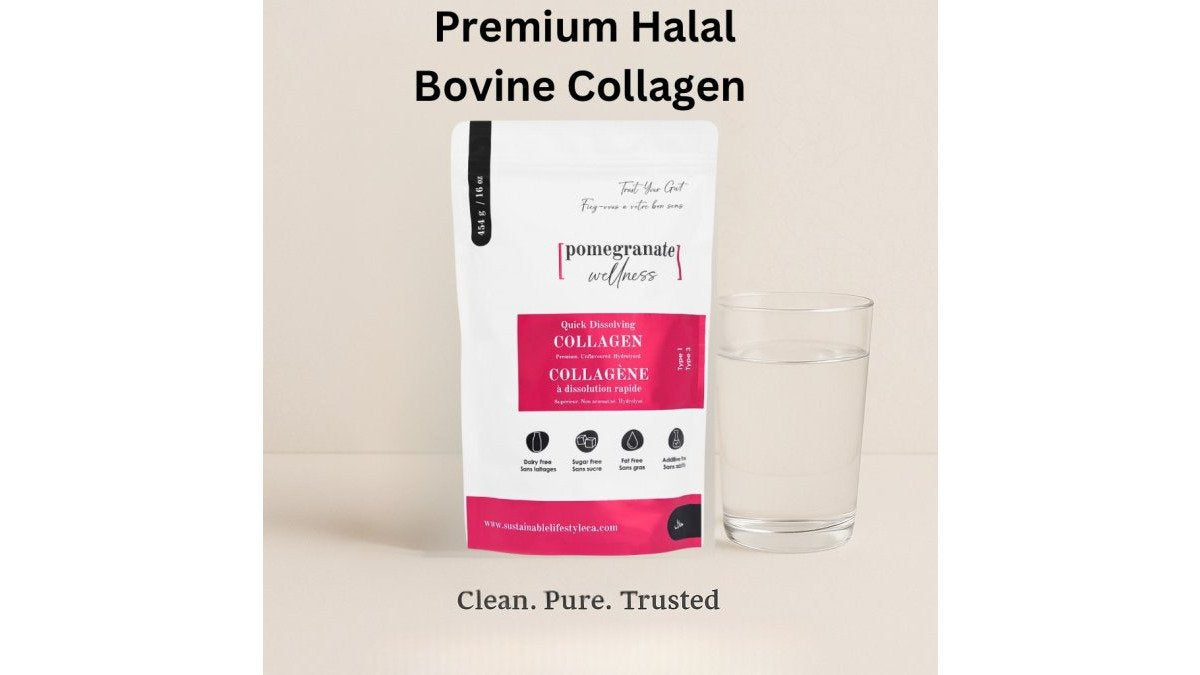
Sustainable Lifestyle offers several pouch sizes, and the right choice depends on how many people you cook for and how often you prepare meals. The 10oz (284g) starter pouch provides 28 servings, which suits someone trying the product for the first time. Buy pure bovine collagen online to choose the pouch that matches your prep schedule. The 16oz (454g) value pouch provides 45 servings at $59.99 CAD.
The Duo pack, two 10oz pouches at $75.99 CAD, gives 56 servings for roughly eight weeks, which suits a household that prepares meals consistently. The Family Value Pack of three 16oz pouches at $169.99 CAD provides 135 servings and includes free standard shipping across Canada, making it the most economical choice for larger households or long-term routines.
Work out how many servings your weekly prep uses, then pick the size that covers that period with a small margin, so you are not reordering mid-month.
The pouch sizes below cover the servings and prices stated in this section, so you can match a size to your prep schedule.
| Pouch | Servings | Price (CAD) |
|---|---|---|
| 10oz (284g) starter pouch | 28 | Not stated |
| 16oz (454g) value pouch | 45 | $59.99 |
| Duo pack (two 10oz pouches) | 56 | $75.99 |
| Family Value Pack (three 16oz pouches) | 135 | $169.99 |
Servings
10oz (284g) starter pouch 28
16oz (454g) value pouch 45
Duo pack (two 10oz pouches) 56
Family Value Pack (three 16oz pouches) 135
Frequently Asked Questions
What should I look for in Halal-certified collagen powder?
Start with the certification itself. Look for a clear Halal-certified mark from a named certifying body, plus a statement that the animal was hand-slaughtered under Zabiha standards. Check that the source is stated as bovine or marine and that the product is grass-fed where that matters to you. Read the ingredient list too: a single-ingredient, unflavoured powder with no fillers, sweeteners or binders is the simplest format for meal prep. If the brand cannot tell you where the animal was raised or how it was slaughtered, treat the Halal claim as unverified and ask before you buy.
Is bovine collagen always Halal?
No. Bovine collagen is only Halal when the animal was slaughtered according to Islamic rules, which means a Muslim slaughterer performing a hand-slaughter with the invocation and the correct cut. Certification is the practical way to confirm this, because the same bovine source can be processed in facilities that do not follow those rules. Check for a Halal-certified label that names the certifying body and the slaughter method, rather than relying on the word 'Halal' alone.
Can I add collagen powder to hot and cold meal prep recipes?
Yes. An unflavoured hydrolyzed collagen powder dissolves in both hot and cold liquids, which makes it useful across a week of prepped food. Stir a measured serving into hot oatmeal, soup, broth or coffee once the dish is off the heat, and add it to cold smoothies or overnight oats before refrigerating. Batch-prepped liquids such as soups and sauces can take a serving stirred in at portioning time, so each container gets the same dose.
How do I add collagen powder to meal prep without changing the flavour?
Choose a completely unflavoured, odourless powder so it does not alter the taste of your food. Measure one level tablespoon, which is about 10g, and stir it into a warm or cold base for 15 to 20 seconds until it disappears. Add it to foods you already eat, such as oatmeal, coffee, soup or a morning smoothie, so you are not introducing a new taste to the meal.