Chariot
0


Last Updated: November 4, 2026
Quick Summary
Gut health after childbirth often slows down because of hormone shifts, reduced activity, interrupted sleep and, sometimes, medications used during delivery. Steady hydration, fibre-rich meals, gentle walking and pelvic floor awareness can help, and symptoms like severe pain or blood in stool need prompt medical attention.
- Keep a full glass of water or bottle within reach during every feed.
- Add fibre gradually through oats, beans, lentils, vegetables and fruit to avoid gas.
- Walk a few minutes several times a day once your provider clears you.
- Check with your provider before starting a probiotic, especially while breastfeeding.
- Contact your provider for severe abdominal pain, blood in stool, fever or persistent vomiting.
Table of Contents
- Why Your Digestion Changes After Childbirth
- Step 1: Set Up Hydration Habits You Can Keep
- Step 2: Build Fibre-Rich Meals With Simple Foods
- Step 3: Ease Postpartum Constipation Without Straining
- Step 4: Decide Whether Probiotics After Childbirth Fit Your Plan
- Step 5: Add Gentle Movement and Pelvic Floor Awareness
- How Long Postpartum Digestive Changes Usually Last
- Your Next Step: Talk to a Healthcare Provider About Red Flags
- Frequently Asked Questions
Gut health after childbirth is one of the most overlooked parts of postpartum recovery. Many new mothers in Canada notice bloating, slower digestion or irregular bowel movements in the weeks after delivery, and they are often told it will simply pass. This guide is designed to help you understand what is happening and to give you a simple, step-by-step plan you can start using today.
Why Your Digestion Changes After Childbirth
Your digestive system works hard during pregnancy and slows down in many ways. Hormone levels shift after delivery, your abdominal muscles are recovering, and your sleep and eating patterns are often disrupted. Together, these changes can make digestion feel sluggish or uncomfortable.
Most of these changes are temporary, but they can still affect how you feel day to day. Knowing what drives them makes it easier to choose simple habits that help.
- Hormone shifts can slow the movement of food through the gut
- Reduced activity and lower fluid intake can harden stool
- Interrupted sleep and irregular meals can upset your routine
- Medications used during delivery may also affect bowel function
Step 1: Set Up Hydration Habits You Can Keep
Drinking enough fluid is one of the easiest ways to support your gut after birth. Water, warm herbal tea and broth all count. Many new mothers forget to drink while feeding or caring for a baby, so the trick is to make fluids part of what you already do.
Keep a full glass or bottle within reach during every feed. Warm drinks are often easier to finish when you are tired, and they can feel soothing on the stomach.
Simple ways to drink more:
- Keep one glass of water beside your feeding chair
- Swap one daily coffee for a warm herbal tea
- Add a splash of juice or lemon to plain water if you prefer flavour
- Sip something each time you feed your baby
Step 2: Build Fibre-Rich Meals With Simple Foods
Fibre helps keep stool soft and regular. You do not need complicated recipes to get more of it. Oats, beans, lentils, vegetables, fruit and whole grains are all easy to add to meals you already eat.
Start small and increase your intake gradually, since a sudden jump in fibre can cause gas. Pair fibre with enough fluid so it can do its job.
A new mother preparing a simple bowl of oatmeal topped with berries and seeds in a bright home kitchen, with a glass of water on the counter.
Easy fibre-rich options:
- Oatmeal with berries and ground flaxseed for breakfast
- Lentil soup or bean stew for an easy lunch
- Roasted vegetables served with brown rice
- Fresh fruit or a handful of nuts as a snack
If you are also looking at how clean, additive-free nutrition fits into easy-to-digest meals, you can read our guide on clean label collagen for sensitive stomachs for more context.
Step 3: Ease Postpartum Constipation Without Straining
Constipation is one of the most common digestive complaints in the first weeks after birth, and it rarely has a single cause. Recovery from a caesarean section, pain from a perineal tear or episiotomy, iron supplements, opioid pain medicines, and the simple logistics of caring for a newborn can all slow the bowel. Understanding which factors apply to you makes it easier to choose gentle steps that actually help.
Why it happens after delivery
- Surgery and anesthesia. A caesarean section involves abdominal surgery, and the bowel can be sluggish for a few days afterward. Anesthesia and post-surgical pain can also reduce early movement.
- Perineal pain. If you had a tear or an episiotomy, you may instinctively hold back a bowel movement because of soreness. That holding pattern can worsen constipation.
- Iron supplements. Iron is often recommended after birth, especially if you lost blood, and it commonly hardens stool. Ask your provider whether your dose or form can be adjusted if constipation becomes a problem.
- Opioid pain medicines. These are effective for short-term pain but slow the gut. If you are taking them, ask your prescriber about a bowel plan at the same time, since prevention is easier than catching up later.
- Reduced activity and fluids. Newborn care disrupts meals, sleep, and drinking, and all three affect regularity.
Gentle habits that help
- Walk for a few minutes several times a day once your provider clears you, starting with short indoor laps if that is all your energy allows.
- Give yourself unhurried time on the toilet, ideally when you feel the urge rather than on a schedule.
- Lean forward slightly with your feet supported on a small stool so your knees sit a little higher than your hips. This posture reduces the need to strain.
- Keep fiber and fluids steady rather than adding a large amount of either at once, since a sudden jump in fiber can cause gas and bloating.
- Ask your provider about stool softeners or other options that are appropriate for your recovery, particularly if you are taking iron or opioids.
Watch out: do not push hard or hold your breath on the toilet. Straining can stress healing tissue after a tear or surgery and can worsen pelvic floor symptoms over time.
When to get help
Contact your healthcare provider if constipation lasts more than a few days, if you have severe or persistent abdominal pain, vomiting, a fever, or blood in your stool, or if you have not had a bowel movement for an extended period. These can be signs that you need assessment rather than more home remedies. If straining or a feeling of incomplete emptying persists, ask about a pelvic floor physiotherapy referral, since these muscles play a direct role in bowel function.
The article points to a few common causes of postpartum constipation and a short list of gentle habits that help, summarised below.
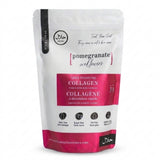
Halal Bovine Collagen Peptides Powder 16oz (454g) Value Upgrade Pouch →
| Cause | Why it matters | Gentle step |
|---|---|---|
| Surgery and anesthesia | Bowel can be sluggish for a few days | Walk a few minutes several times a day once cleared |
| Perineal pain | Holding back a bowel movement worsens constipation | Take unhurried time on the toilet |
| Iron supplements | Commonly hardens stool | Ask provider whether dose or form can be adjusted |
| Opioid pain medicines | Slow the gut | Ask prescriber about a bowel plan |
| Reduced activity and fluids | Disrupts regularity | Keep fibre and fluids steady, not all at once |
Step 4: Decide Whether Probiotics After Childbirth Fit Your Plan
Probiotics are live microorganisms that some people take to support gut balance, but they are not a single product. Different products contain different strains, doses, and delivery formats, and the evidence for any one of them does not automatically apply to another. That variability matters more after childbirth, when your health history, medications, and breastfeeding status all shape what is appropriate.

What the evidence does and does not show
Probiotic evidence tends to be strongest in specific clinical situations rather than in general wellness use, and research on the maternal gut microbiome after birth is still developing. Treat probiotic marketing claims with caution and focus on whether a product fits your situation rather than on broad promises.
Questions to bring to your provider
- Which strain or strains does the product contain, and at what dose?
- Is there evidence for that specific strain in people with your symptoms?
- Is it compatible with breastfeeding, your medications, and any supplements you already take?
- Does the product have a clear expiry date and storage instructions?
Before adding any probiotic, check with your doctor, midwife, or pharmacist. They can help you weigh the potential benefits against the limits of the evidence and choose a product that is appropriate for you.
Everyday support alongside supplements
If you are also looking at how clean, additive-free nutrition fits into easy-to-digest meals, you can read our guide on clean label collagen for sensitive stomachs for more context. A reader who wants to review a collagen supplement alongside breastfeeding should first read our guide on whether bovine collagen is safe while breastfeeding. For anyone who has already chosen a collagen powder, the Halal Bovine Collagen Peptides Powder 16oz (454g) Value Upgrade Pouch is a Halal-certified, unflavoured bovine collagen powder made from 100% grass-fed, pasture-raised cattle, and it stirs smoothly into hot or cold beverages.

Watch out: do not start a probiotic, or change the dose of one you already take, without checking with your provider if you are breastfeeding, recovering from surgery, or taking prescription medication.
Step 5: Add Gentle Movement and Pelvic Floor Awareness
Gentle movement is commonly recommended as part of postpartum recovery, and pelvic floor muscles play a role in bowel control. Once your provider clears you for exercise, start slowly with walking and simple pelvic floor exercises.
Pelvic floor awareness means noticing how these muscles feel when you tighten and release them. Gentle breathing and relaxation can also help the abdomen and bowels settle.
Starter routine ideas:
- Take a short walk outdoors most days
- Practise slow belly breathing for two or three minutes
- Ask your provider about a pelvic floor physiotherapy referral
How Long Postpartum Digestive Changes Usually Last
Most people find their digestion improves gradually over the first weeks and months after birth. Hormones settle, your activity level increases and your eating pattern steadies. Individual timelines vary, and some changes take longer if you had a complicated delivery or are dealing with other health issues.
Keep your expectations realistic. Consistent habits over several weeks usually matter more than any single food or supplement.
Your Next Step: Talk to a Healthcare Provider About Red Flags
Most postpartum digestive changes are temporary, but some symptoms need prompt medical attention. Contact your healthcare provider if you have severe abdominal pain, blood in your stool, a fever, persistent vomiting, or no bowel movement for an extended period.
Sustainable Lifestyle is a Canadian-based brand that offers Halal-certified, grass-fed bovine collagen. Start with your provider's guidance, then choose habits and products that fit your plan.
Frequently Asked Questions
What happens to your gut after childbirth?
Pregnancy, delivery and the early postpartum weeks can slow bowel movement, change appetite and shift hormone levels that affect digestion. Many women notice bloating, looser or harder stools, or a sluggish gut for a few weeks. Gradual changes to hydration, fibre intake and daily movement usually help. If symptoms are severe, persistent or accompanied by pain, bleeding or fever, speak with a healthcare provider promptly rather than waiting for the body to settle on its own.
Is constipation common after childbirth?
Yes, constipation is common in the postpartum period, particularly after a caesarean section, after an epidural, or when pain makes pushing or sitting uncomfortable. Stool softness, adequate fluids, fibre-rich foods and gentle walking are the first measures most people try. Avoid straining, and ask a healthcare provider before using any laxative, especially if you are breastfeeding, because some products are not suitable during lactation.
Can breastfeeding affect digestion or gut health?
Breastfeeding raises fluid and energy needs, which makes steady hydration and regular meals important. Some women find that certain foods affect their baby, so changes should be introduced one at a time. Any supplement you consider while breastfeeding should be checked with your healthcare provider first, since safety information for lactation varies by product.
When should I talk to a healthcare provider about postpartum digestive symptoms?
Contact a healthcare provider if you have severe abdominal pain, vomiting that will not stop, blood in your stool, no bowel movement for an extended period with pain or swelling, fever, or signs of infection after a caesarean or perineal tear. Persistent symptoms that worsen over time also warrant an assessment. Early review can rule out complications and give you a plan tailored to your delivery and health history.